
Animal agriculture wastes millions of tonnes of food annually, yet thousands of people are going hungry. Governments need to prioritise food for people rather than feeding grain to factory-farmed animals
An extra 16.5 million people in the UK, and two billion people globally, could be fed every year if governments prioritised food for people rather than feeding grain to factory-farmed animals, according to a new report released by Compassion in World Farming (CIWF).
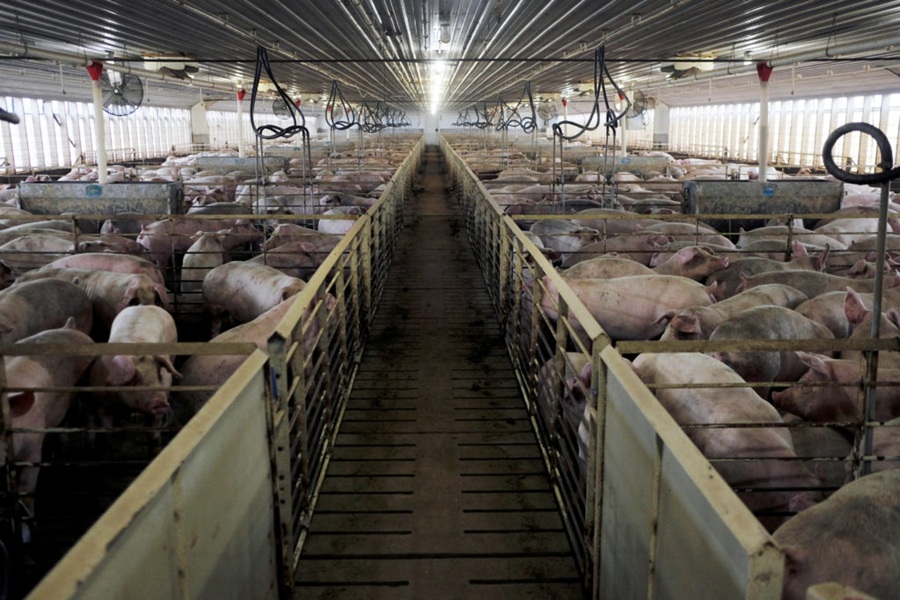
The report, Food Not Feed: How to Stop the World’s Biggest Form of Food Waste, exposes the hidden inefficiency of industrial livestock farming. It reveals that factory farming wastes more food globally than the total discarded by households and businesses combined.
Feeding animals instead of people
CIWF’s research demonstrates the staggering inefficiency of the current food system. Feeding human-edible grain to animals produces only a fraction of the calories and protein that could be available if the crops were eaten directly by people. For every 100 calories of grain fed to animals, just 3 to 25 calories return as meat or dairy. And for every 100 grams of protein in human-edible grain fed to animals, just 5-40 grams of protein enter the human food chain as meat.
In the UK alone, around 8.3 million tonnes of grain, over half of the country’s total production, are wasted each year by being used as animal feed. This equates to roughly 0.8 million hectares of farmland, an area the size of Cambridgeshire and Norfolk combined, that could instead grow nutritious crops such as fruit, vegetables, legumes, and pulses for human consumption.
Globally, the picture is even more alarming. The report calculates that 766 million tonnes of grain are fed to animals annually, far exceeding the amount of food wasted by households (631 million tonnes), food services (290 million tonnes), or retail sectors (131 million tonnes).
Global waste on a colossal scale
In the European Union, nearly 125 million tonnes of grain are used as animal feed every year, enough to feed an additional 247 million people. In the United States, 160 million tonnes of grain are diverted to factory farms while 66 million tonnes of food are thrown away, an amount that could otherwise feed almost 288 million people annually.
This practice also comes at an enormous environmental cost. Thousands of hectares of land are cleared to grow feed crops, fuelling deforestation, biodiversity loss, and soil degradation. The demand for grain drives intensive monocultures reliant on pesticides and synthetic fertilisers, leading to polluted waterways and air.
CIWF warns that, without intervention, the amount of grain needed to sustain factory farming will double by 2040, putting even greater strain on the planet’s natural resources.
Anthony Field, Head of Compassion in World Farming UK, described the findings as “scandalous”, adding: “Factory farming is wasting 8.3 million tonnes of food annually, yet thousands of people are going hungry and demand for food banks is rising. As well as being the world’s biggest form of animal cruelty, fuelling climate change and killing nature, factory farming wastes food on a colossal scale.”
Field urged the Government to help farmers move away from wasteful, grain-based livestock systems, saying that “human-edible crops should be fed directly to people instead of to animals used to produce meat or dairy”.
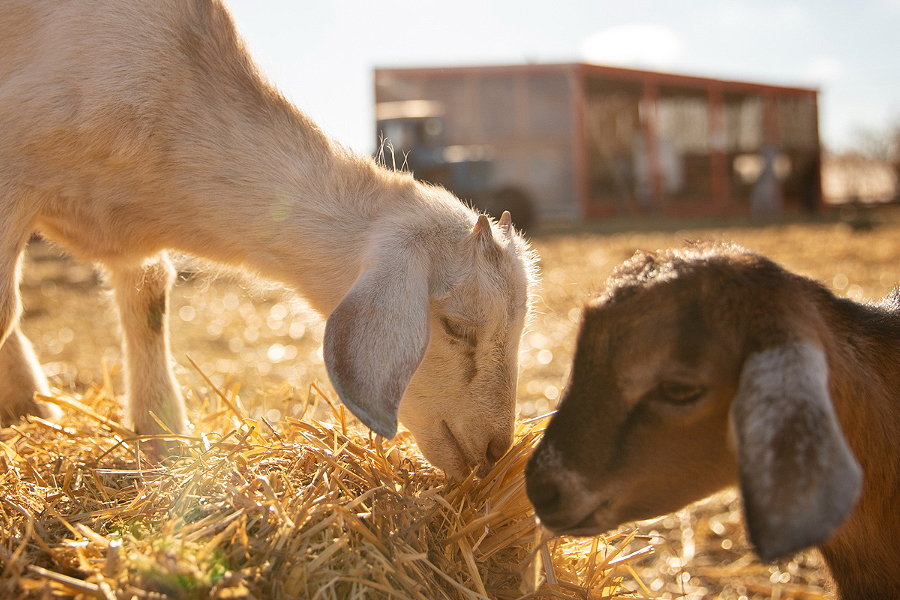
CIWF argues that a switch to regenerative farming, with animals fed on pasture, by-products, and properly treated unavoidable food waste, could dramatically improve global food security while reducing the industry’s environmental footprint.
Public pressure and political action
Alongside the report, CIWF has launched an open letter to Prime Minister Sir Keir Starmer, supported by public figures including Deborah Meaden and Dr Amir Khan, calling for policies that prioritise growing food for people over feed for animals.
This follows the recent delivery of a petition signed by nearly 315,000 UK citizens, part of a global campaign that has gathered more than one million signatures worldwide, urging governments to end factory farming.
To highlight the scale of the problem, CIWF has also released an interactive online tool illustrating how much food is lost globally through industrial animal agriculture.
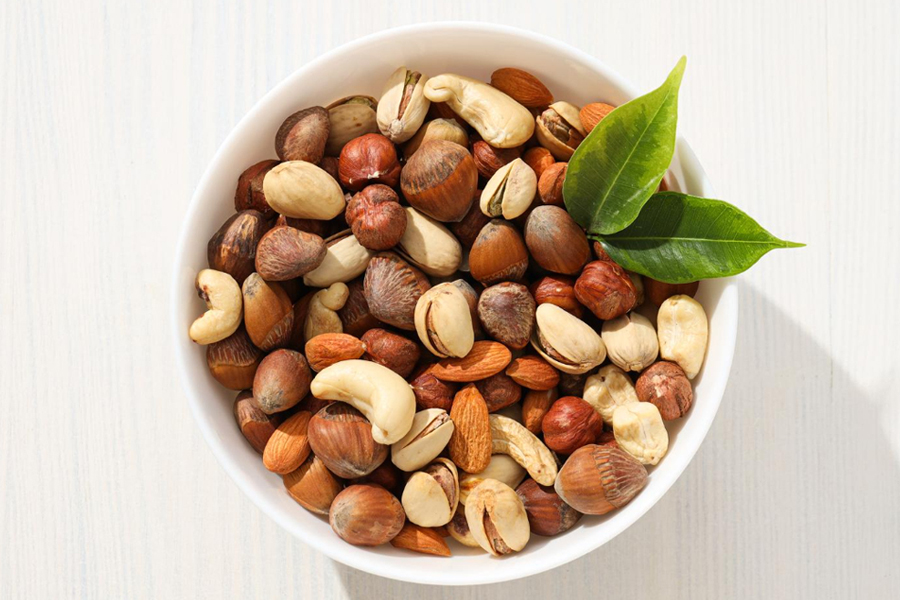
The report concludes that if the use of grain and soy as animal feed were phased out, 175 million hectares of arable land, almost the size of Indonesia, could be freed for growing crops for direct human consumption. This land could produce a diverse range of plant foods, from pulses and legumes to fruits and nuts, helping to nourish billions while protecting the environment.
CIWF’s message is clear: if governments truly wish to tackle hunger, climate change, and biodiversity loss, they must shift from a “feed the animals” approach to a “feed the people” food system.
Original source: https://www.veganfoodandliving.com