Dutch food retailers warn that banning meat-like names for plant-based products could hinder consumer adoption and innovation.
The Dutch Central Bureau for the Food Trade (CBL), a trade association for supermarkets and food service companies, has spoken out against the European Parliament’s proposed ban on the use of meat-like names for plant-based products.
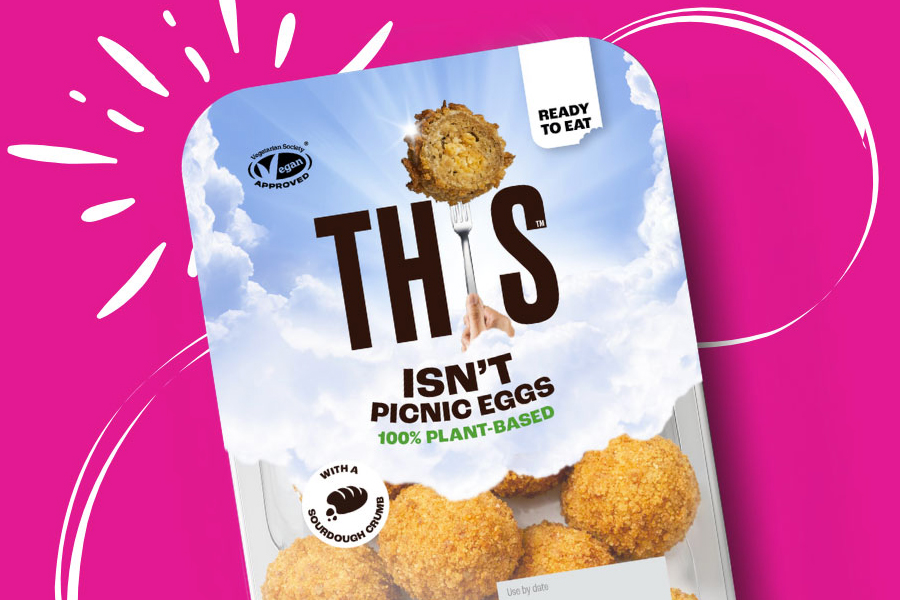
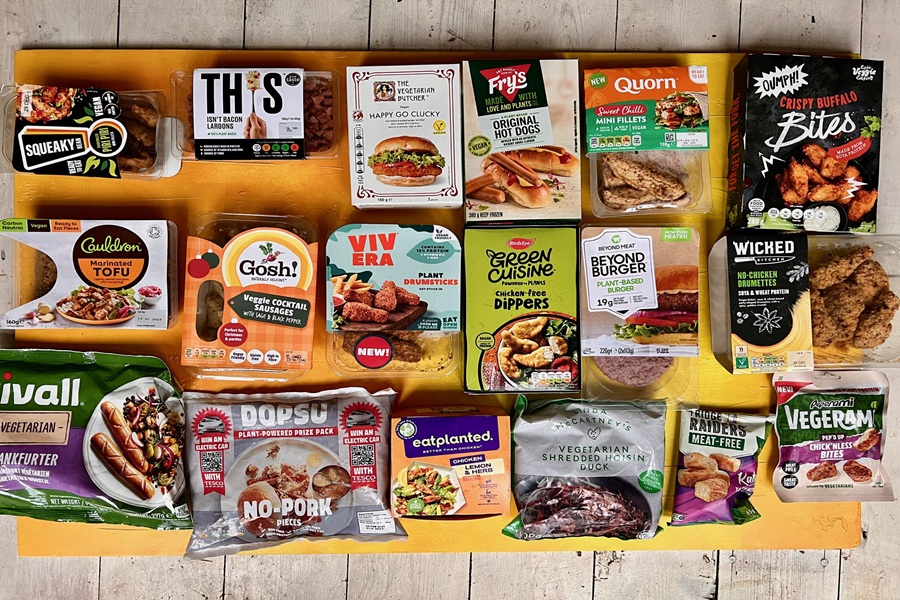
The organization has published a position paper titled “Behoud Herkenbare Productnamen voor Vleesvervangers” (Maintaining Recognizable Product Names for Meat Substitutes). The authors argue that using easy-to-understand names for plant-based meat products is vital to encourage consumers to choose a more plant-based diet and accelerate the protein transition.
Furthermore, the paper suggests that the ban could discourage producers from investing in the development of plant-based products that resemble meat, hampering innovation and reducing market potential.
“The proposed ban is unnecessary, overshoots its target, and could slow down the protein transition,” said Latoya Balogun, manager of Sustainable Supply Chains & Foods at the CBL. “Consumers understand these terms well and aren’t confused by them. On the contrary: familiar product names make it easier to integrate plant-based alternatives into daily diets.”
Taking responsibility for the protein transition
The position paper cites research indicating that the vast majority of Dutch consumers understand that, for example, a vegetarian sausage does not contain meat (Radar consumer program, 2020). Furthermore, studies have found that the majority of Europeans do not object to the use of meat-like names for plant-based products.
Consequently, the CBL is calling on the European Parliament to reconsider the proposed ban, and on the Dutch government to actively promote this position in Brussels. The ban has already sparked backlash from over 200 organizations, including major environmental groups, food manufacturers, and animal welfare advocates.
The Netherlands has been taking the lead when it comes to the protein transition; numerous retailers and caterers in the country have set goals to sell 60% plant-based proteins by 2030.
“Our sector is taking responsibility for the protein transition by making plant-based products as attractive, accessible, and affordable as possible,” said Balogun. “It’s important that entrepreneurs maintain sufficient space to position their products recognizably. Because the protein transition depends partly on consumer behavior change, it’s crucial that people can easily switch to plant-based products. Familiar names help with this. They demonstrate that a plant-based product can be used in the same context as its animal-based equivalent.”
Original source: https://vegconomist.com
https://www.animalagricultureclimatechange.org/french-meat-labels/