
Pumpkins have a number of health benefits and are an easy and affordable way to boost your health and add colour to your meals.
Whether you consider it a fruit, vegetable, or both, the fact that it’s either is enough to know pumpkins are good for you.
Daily consumption of fruits and vegetables, including pumpkins, is associated with lower mortality rates and chronic disease prevention.
But what are the specific health benefits of pumpkins and their seeds? Let’s take a look at why they deserve so much more culinary attention than just as a holiday pie filling.
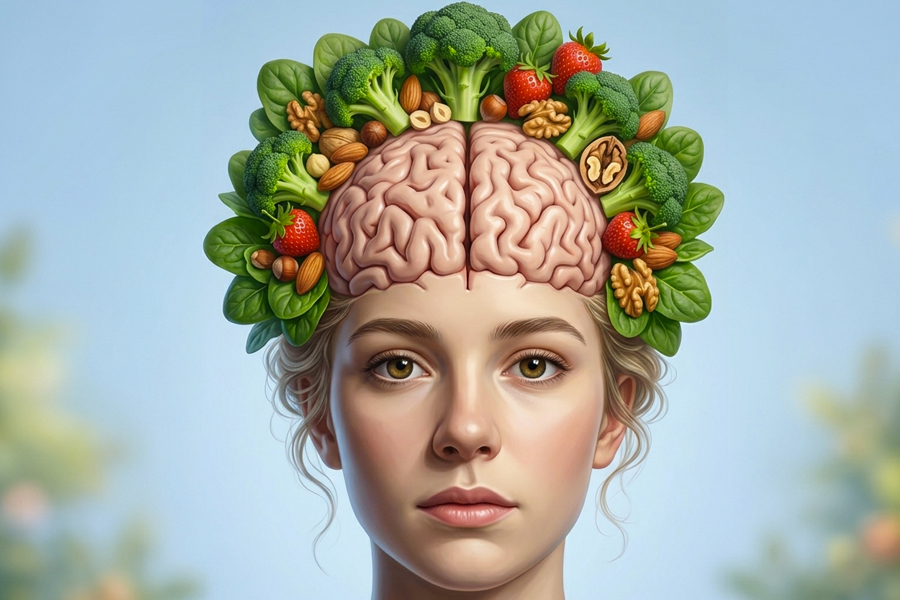
1. Pumpkin and brain health
The carotenoids in pumpkin flesh may have a powerful impact on your brain.
One in vitro study demonstrated that pumpkin pulp could be protective against mycotoxins crossing the blood-brain barrier, as is seen in Parkinson’s and Alzheimer’s. Pumpkin carotenoid extract was used on cells treated with mycotoxins, and the cells showed a reduction in multiple markers of inflammation. It’s possible this may be because pumpkins contain the neurotransmitter acetylcholine, which is found in much lower levels in people with neurodegenerative diseases like Alzheimer’s.
2. Pumpkin and overactive bladder disorders
Urinary dysfunction is a common concern with increasing age. Pumpkin seed oil may help with overactive bladder disorders, specifically nocturia (or waking up to use the bathroom at night). One 2014 study in the Journal of Traditional and Complementary Medicine showed improved bladder function and a reduction in the severity of self-assessed symptoms within 12 weeks when the participants took 10 grams of pumpkin seed oil per day.
Another study on the effect of benign prostate enlargement and urinary retention also showed improvement with pumpkin seed oil. Although you may not want to include oil in your diet, you may still be able to reap these benefits by consuming whole pumpkin seeds with their natural oils intact.
3. Is pumpkin good for your eyes?
The beta-carotene and other carotenoids found in pumpkin, like lutein and zeaxanthin, are important for eye health.
According to the National Institutes of Health, ½ cup of canned pumpkin contains more than 100% of your recommended daily intake of vitamin A — which aids vision, particularly in dim light.
The lutein and zeaxanthin in pumpkin also protect your eyes from oxidative stress and have been studied for their protective effects on macular degeneration and cataracts.
4. Antimicrobial, antibacterial and anti-parasitic effects of pumpkin
Pumpkins may also have antibacterial and antimicrobial properties that can help protect against infectious diseases. One 2017 in vitro study found that pumpkin peel and puree extracts showed evidence of preventing the growth and division of bacteria. (They also had the same effect on cancer cells, which we’ll talk more about in the next section). Other in vitro studies also showed pumpkin extracts were effective against specific strains of harmful bacteria, including staph, E. coli, and salmonella.
Pumpkin seeds and seed extract have also been recommended as home remedies for deworming and parasitic infections in both people and animals. Multiple studies have tested the effectiveness of pumpkin seeds and their extracts and shown a reduction in the number of parasitic worms and their eggs. (Our view on the use of animals in medical research is here.)
5. Pumpkin and cancer
Pumpkin seeds and flesh are packed with antioxidants, and eating both of them often may help treat or reduce the risk of many types of cancer.
One in vitro study on cancer cells of the breast, prostate, and colon found that pumpkin seed extract inhibited cancer cell growth by up to 50% and may be a potential treatment for hormone-related cancers. A similar study on thyroid cancer cells also showed pumpkin seed extract initiated cancer cell death and may also work in conjunction with the chemotherapy drug paclitaxel.
Pumpkins contain cucurbitacin, a type of phytochemical unique to the Cucurbitaceae family of plants. To demonstrate the powerful anti-inflammatory effects of this compound, extracts of Cucurbita pepo were used on colon cancer cells. The result was a reduction in the amount of inflammatory cytokine secretion, which has been associated with cancer cell proliferation and metastasis.
6. Is pumpkin good for diabetes?
Eating pumpkins and pumpkin seeds can have a variety of beneficial effects for people with type 2 diabetes and blood sugar problems.
In one study on critically ill diabetes patients, pumpkin was shown to help reduce high blood sugar levels quickly. Each subject was given five grams of freeze-dried powder from the C. maxima pumpkin species for three days. In those three days alone, blood glucose decreased by an average of 36 mg/dL total. That is a significant amount considering one unit of insulin will drop blood sugar by 50 mg/dL.
A 2013 animal study published in the Journal of the Formosan Medical Association also found that raw pumpkin seeds’ tocopherol content mediated blood sugar levels and improved oxidative stress status and pancreatic markers.
Pumpkin nutrition facts
Both pumpkin flesh and pumpkin seeds are potent sources of nutrition. Pumpkin fruit is an excellent source of B vitamins and vitamin E, as well as minerals like iron, magnesium, and phosphorous. Pumpkins are rich in phytochemicals like cucurbitacins, saponins, carotenoids, phytosterols, and polyphenols. They also contain vitamin C, potassium, and the carotenoid and antioxidant beta-carotene, which gives orange pumpkins their colour.
Pumpkins have been used for survival and medicine
Pumpkins were essential to North American Indigenous diets beginning thousands of years ago. They were one of the earliest cultivated vegetables, with beginnings in the Oaxacan region of Mexico. In addition to the flesh, pumpkin seeds were also eaten and used for their health benefits.
When the Pilgrims came to America, pumpkins became a critical and nutritious food for them, as well. Without pumpkins, many of the early settlers might not have survived.
One of the first American folk songs has these lyrics: “We have pumpkins at morning and pumpkins at noon; If it was not for pumpkins we would be undoon.”
Most parts of the pumpkin plant, especially the seeds, flesh, and yellow blossoms, are still used in traditional systems of medicine today. And many people in the Global South consume pumpkin regularly as a staple food to get a significant amount of the energy and nutrients they need to survive.
Original source: https://foodrevolution.org
https://www.animalagricultureclimatechange.org/vegan-halloween-tagine/