These small but meaningful changes can have a big impact when it comes to reducing your carbon footprint in 2025.
As we head into a new year, it’s a good idea to think about climate resolutions: what small actions can you take to reduce your carbon footprint? From ditching disposable coffee cups to starting a community garden, our individual efforts go a long way.
Here’s a handy guide for making meaningful environmental change in 2025.
1. Rethink your food
Start the year by focusing on what you eat. Animal agriculture accounts for a significant portion of greenhouse gas emissions so cutting back on meat and dairy (or even better, removing them completely from your diet) – will be a significant contribution to helping our planet.
Eating local food that’s in season supports small farmers and reduces the carbon footprint of imported produce. It’s a win-win that will have an immediate and positive impact on your health and the pockets of small, organic farmers.
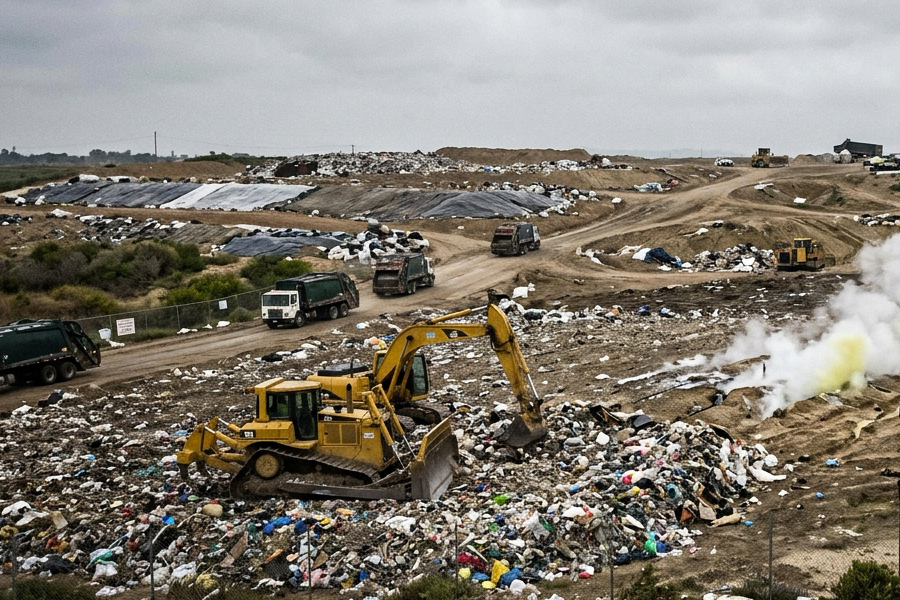
Also think about how you store your fresh produce and consider where your scraps end up. If global food waste were a country, it would be the third-largest emitter of greenhouse gases. Composting cuts methane emissions from landfills and turns waste into nutrient-rich soil.
2. Care for soil and trees
Healthy soil and thriving trees are potent allies in carbon capture. Local ecosystems absorb CO₂, support biodiversity, and protect against severe weather events like flooding. Clean up a wetland, plant native trees, or join a community garden.
3. Throw a ‘what should I do?’ party
Many people don’t realise their potential to contribute. Host a “what should I do?” party to connect friends with action. Untapped talents can inspire collective change, whether lobbying, organising cleanups, or creating art.
4. Reduce energy consumption
Take charge of your energy use. Some providers encourage load-shifting to times when renewable energy is abundant. For instance, running laundry or charging devices during the day taps into plentiful solar power. Over time, these habits lower bills and increase demand for greener energy.
If you don’t have solar panels, explore renewable energy providers. Some companies source electricity from distributed solar and reinvest profits in local communities.
5. Organise local swaps or walks
Encourage community bonding and conscious consumerism by organising a clothing swap. The environmental cost of clothing production is high; swapping saves water and energy while building community. This is a particularly good idea for kid’s clothing as most kids grow out of their clothes before they are worn out.
Alternatively, start a walking group to foster environmental appreciation and promote active, low-emission lifestyles, or simply start (or join) a community project that makes sense for your skill set and interests.
6. Explore ethical banking
Research banks or investment funds that prioritise renewable energy and divesting from fossil fuels. Ethical investments can shift industries toward sustainability, with 2020 alone seeing a surge in green investments.
7. Embrace slow travel
Air travel is one of the fastest-growing contributors to global carbon emissions. A single short-haul flight (eg Sydney to Melbourne) generates around 185kg of CO₂ per passenger, while a long-haul flight (eg Sydney to London) can emit as much as 2,154kg per economy passenger (although the carbon footprint can vary widely depending on stopovers, plane models and even seating).
By skipping a flight and opting for local travel, you can drastically reduce your environmental impact. Why not holiday closer to home and explore hidden gems within driving or train distance?
8. Know your reps
Write to your MPs, urging them to prioritise climate action. Personalise your messages: share why this matters to your family, include your kids’ drawings, or highlight local issues. Politicians are more likely to act when they hear directly from constituents.
9. Eliminate single-use items
Commit to phasing out single-use plastics and disposables. Start small: carry reusable cutlery, refuse plastic straws, and invest in long-lasting alternatives like metal razors. The global production of plastics accounts for 1.8bn metric tons of greenhouse gas emissions annually and reducing demand can help stem this tide.
10. Bike or hike
Replace short car trips with biking or walking. If distance or fitness is a barrier, consider an electric bike, which emits just 22g of CO₂ per kilometre compared to a car’s 271g. Beyond the climate benefits, active travel improves health, reducing pressure on healthcare systems.
11. Try a month of buying nothing
Challenge yourself to a month of no new purchases. Repair, borrow, or make do with what you have. The consumer economy drives emissions, from manufacturing to transportation. Taking a break from buying reduces your impact and encourages mindfulness about material goods.
12. Have conscious Christmas
Christmas is a time of giving, but it can also be a time of overconsumption and waste. Host events to raise money for those in need – carol singing is always a fun and simple one. And why not follow a gift-giving rule for the kids: “Something to wear, something to read, something I want, or something I need.”
Also consider rethinking the traditional roast dinner. Rather opt for plant-based options this year. There are many delicious plant-based holiday recipes that will not only wow your family and friends, but are kind to the planet and the animals too.
Original source: https://www.theguardian.com