
People’s attitudes towards vegan and plant-based diets are changing, according to new research from The Vegan Society.
Despite reports of vegan products being in decline over the past few years, a UK survey of 10,194 people over the age of 16 demonstrates an upward trend in vegan and plant-based diets. The results found that in the UK, 10% of people are now reducing or eliminating animal products from their diets in some way. 3% now identify as either vegan or as following a plant-based diet, according to the research by registered educational charity The Vegan Society.
The survey was conducted between August and December 2024. It does not account for further uplift seen during the month of January, when people are encouraged to try Veganuary.
Why are people switching to a plant-based diet?
Animal welfare was noted as the main reason people are choosing to go vegan or plant-based, with 57% of respondents selecting this as their primary motivation. 52% of those surveyed said they were vegan or eating more plant-based food for health reasons. And 48% named concerns about climate change and the environment as their motivation.
Regional variations in plant-based diets
As can be expected, there are variations in results across the UK. London, the North East, and the South West are above the national average, with 4% of their populations classing themselves as vegan or plant-based.
Meanwhile, Scotland, Wales, and the East Midlands report the lowest levels. Just 2% of people in these areas are ditching meat and choosing vegan dairy alternatives at present.
Younger people lead the way
The study also found that those aged between 16-44 are twice as likely as older generations to embrace a plant-based diet. Women are also more likely than men to go vegan – the research concluded that 3.60% of women identify as vegan compared to just 1.98% of men.
In a statement sent to Vegan Food & Living, Claire Ogley, Head of Campaigns, Policy and Research at The Vegan Society, told us: “These results reveal a remarkable transformation in attitudes toward veganism and plant-based living across Britain. “It’s inspiring to see younger generations leading the way, with a growing number of people adopting more sustainable and compassionate lifestyles for a variety of reasons, from health to the environment to animal welfare.”
Vegan vs plant-based – what’s the difference?
Veganism generally refers to an ethical stance, in which people choose not to consume any animal products. Vegans also avoid animal-derived ingredients in skincare and cleaning products, along with clothing and accessories made from animal fur, skin or feathers.
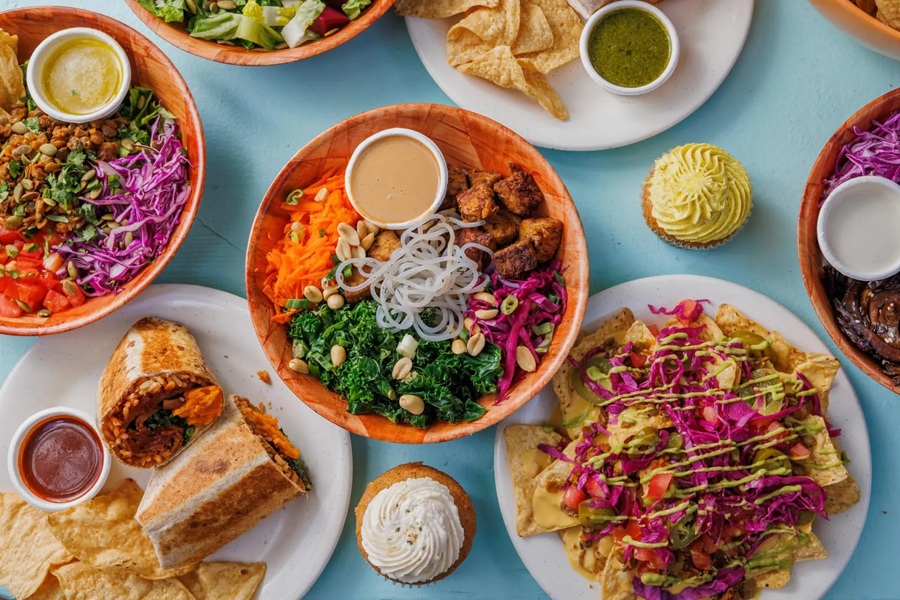
The term ‘plant-based’ is most widely used to refer to people who follow a diet that mostly consists of fruit, vegetables, nuts, grains and pulses.
However, to make a clear definition for those taking part in this survey, the categories of ‘vegan’ and ‘plant-based’ were defined as follows:
- Vegan – ‘I don’t eat animal products at all (meat, fish, eggs, dairy, etc) as far as this is possible and practicable.’
- Plant-based diet – ‘My diet is based primarily on plant foods, and I only occasionally eat animal products.’
Original source: https://www.veganfoodandliving.com
https://www.animalagricultureclimatechange.org/plant-based-on-rise/