Climate change is disrupting renewable energy production, with volatile weather patterns affecting solar, wind, and hydropower generation worldwide.
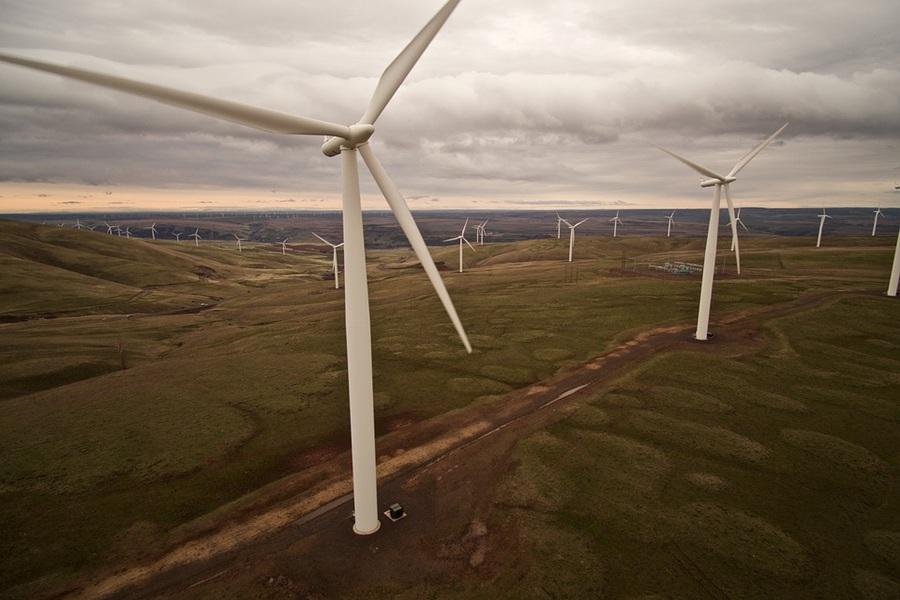
The race towards renewable energy is accelerating, and for all the looming challenges of the climate crisis, signs of progress are there: Solar panels are beginning to blanket deserts, wind turbines dot coastlines, and hydropower dams are harnessing powerful rivers to churn out clean electricity.
Yet, even as the push for renewables gains momentum – driven by cheaper technology and an urgent need to slash carbon emissions – experts are waving cautionary flags: Because renewable energy sources depend on weather conditions, climate change is increasingly dictating, and jeopardizing, renewable energy production.
This trend became more pronounced in 2023, marked by a volatility that disrupted renewable energy generation globally. Temperatures soared 1.45°C above pre-industrial levels, and the shift from La Niña to El Niño altered rainfall, wind patterns, and solar radiation.
Hamid Bastani, a climate and energy expert with the World Meteorological Organization (WMO), provided a stark example of this impact. “In Sudan and Namibia, hydropower output dropped by more than 50 per cent due to unusually low rainfall,” he said in an interview with UN News.
In Sudan, rainfall totaled just 100 millimeters (less than four inches) in 2023—less than half the national long-term average.
“This is a country where hydropower makes up around 60 per cent of the electricity mix. These reductions could have significant implications,” Mr. Bastani explained, noting that the power system supports a large and rapidly growing population of about 48 million.
These shifts were not limited to hydropower. Wind energy, too, showed signs of stress under changing climate conditions.
China, which accounts for 40 per cent of global onshore wind capacity, saw only a modest 4 to 8 per cent increase in output in 2023, as wind anomalies disrupted generation. In India, production declined amid weaker monsoon winds, while some regions in Africa experienced even sharper losses, with wind output falling by as much as 20 to 30 per cent.
South America, meanwhile, saw the scale tip in the other direction. Clear skies and elevated solar radiation boosted solar panel performance, particularly in countries like Brazil, Colombia, and Bolivia.
As such, the region saw a four to six per cent increase in solar generation – a climate-driven bump that translated to roughly three terawatt-hours of additional electricity, enough to power over two million homes for a year at average consumption rates.
“This is a good example of how climate variability can sometimes create opportunity,” explains Roberta Boscolo, who leads WMO’s New York Office and formerly the agency’s climate and energy work. “In Europe, too, we are seeing more days with high solar radiation, meaning solar power is becoming more efficient over time.”
Ms. Boscolo and Mr. Bastani are among the contributors to a recent WMO–IRENA study examining how climate conditions in 2023, shaped by El Niño, global warming, and regional extremes, affected both renewable energy generation and energy demand worldwide.
Original source: https://news.un.org
https://www.animalagricultureclimatechange.org/fossil-fuels-not-sustainable/