
Beyond the taste and convenience of processed foods lies a chain of environmental impacts that often go unnoticed.
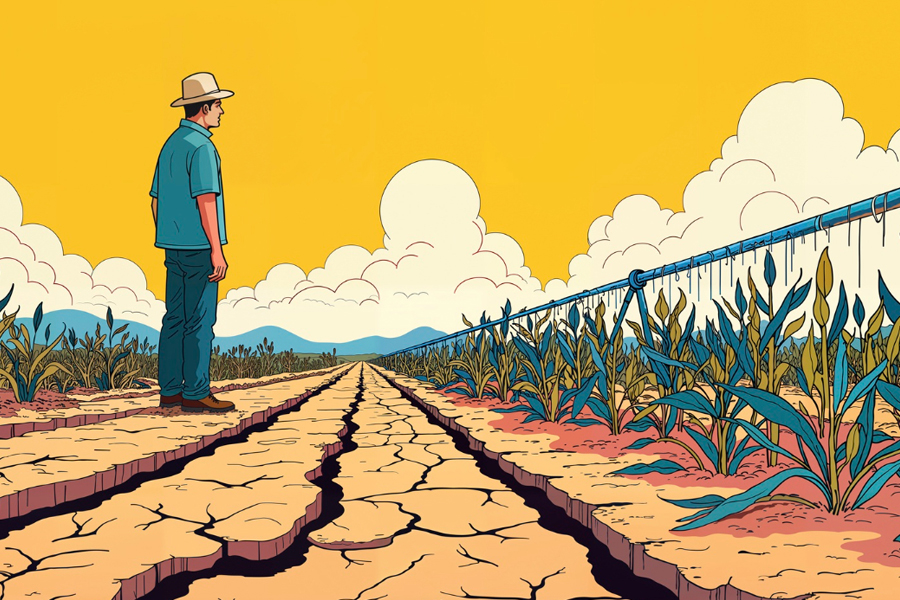
Have you ever paused to consider the hidden costs behind the processed foods that fill our pantry shelves? Beyond their taste and convenience lies a chain of environmental impacts that often go unnoticed. From the vast tracts of land cleared to grow ingredients to the bustling factories churning out products at an industrial scale, the environmental footprint of processed foods is far-reaching. The global food system, which includes the production, transportation, and waste of processed goods, is responsible for about 26% of all greenhouse gas emissions – an astonishing figure with serious consequences for our planet.
The transportation of these products alone contributes to 6% of food-related emissions, and the waste generated from discarded processed foods adds another layer to the problem, accounting for 8-10% of global greenhouse gas emissions. On top of that, the packaging used for these foods is a major source of plastic waste, with 40% of all plastic produced going toward packaging. The typical American diet, rich in processed foods, results in roughly 2.5 tons of carbon dioxide-equivalent emissions per person annually, highlighting the significant environmental toll of our modern eating habits.
Let’s dive into how these everyday products affect our planet and what actions we can take to reduce this toll.
Nutritional content versus environmental cost
Processed foods are notoriously known for their lengthy list of ingredients and preservatives, often at the cost of nutritional value. Many processed items, such as snacks and sugary drinks, contain high levels of salt, sugar, and unhealthy fats, which not only affect health but also have a considerable environmental footprint. The production of these ingredients involves substantial water usage, deforestation, and greenhouse gas emissions. For instance, sugar production is responsible for an estimated 145 million tons of CO2 emissions annually.
One notable example is Nestlé. In recent years, Nestlé has faced criticism over its use of palm oil, an ingredient found in many processed foods. Environmental groups have called out the company for contributing to deforestation and habitat destruction, primarily within Southeast Asia, due to unsustainable palm oil production practices. Despite Nestlé’s efforts to ensure the use of certified sustainable palm oil, activists and consumers continue to challenge the efficacy and transparency of these claims, highlighting broader concerns about the environmental impacts of processed food production.
To mitigate this, shifting towards consumption of whole foods and minimally processed items can significantly reduce environmental impact. Choosing foods with lower environmental footprints, such as grains, fruits, and vegetables, can result in a healthier diet while conserving water and energy resources. Supporting local and organic farming can also lead to reduced emissions and a decrease in the need for transportation and packaging.
Packaging and plastic waste
Packaging is often overlooked when considering the environmental impact of processed foods. The majority of these products come wrapped in single-use plastics, contributing to the estimated 350 million tons of plastic waste produced globally each year. This plastic eventually ends up in landfills and oceans, contributing to severe environmental degradation and impacting wildlife.
Adopting reusable bags and containers for food storage and shopping helps mitigate this impact. Additionally, encouraging the food industry to switch to biodegradable or recyclable packaging can lessen plastic waste. According to a 2021 report by the Ellen MacArthur Foundation, switching just 20% of plastic packaging to reusable alternatives would result in a substantial reduction of plastic waste and serve as a model for industry best practices.
Nestlé faced criticism in 2019 when environmental organizations called the brand out for its excessive use of single-use plastic packaging. This scrutiny led to a pledge by the company to make 100% of its packaging recyclable or reusable by 2025, aiming to tackle the significant environmental issues associated with plastic waste.
The hidden water footprint
Processed foods often entail a high water footprint, significantly impacting water resources. Ingredients like nuts and coconut, prevalent in many health-focused processed items, require large quantities of water to grow. For instance, producing a single almond requires approximately 1.1 gallons of water.
Reducing consumption of water-intensive processed foods could alleviate some of the pressure on global freshwater resources. Furthermore, consumers can incorporate water-efficient foods into their diets, such as cereals, legumes, and certain fruits. It’s also crucial for the food industry to adopt water-saving technologies and practices in production to ensure sustainable resource usage and minimize the ecological footprint.
One notable example is the beverage giant Coca-Cola, which faced significant criticism for its water management practices, particularly in regions where water scarcity is prevalent. In India, the company encountered protests and legal challenges due to allegations that its bottling plants were depleting local water supplies and polluting groundwater. These issues highlighted the importance of sustainable water use in food and beverage production, prompting Coca-Cola to reassess and improve its water stewardship practices worldwide.
Energy consumption and emissions
The production process of processed food requires considerable amounts of energy, contributing to greenhouse gas emissions. This production includes the energy needed for processing, packaging, and transportation. For example, the carbon footprint of processed meat is particularly high, with livestock sectors responsible for 14.5% of human-induced greenhouse gas emissions.
As a consumer, you can help reduce these emissions by opting for products with transparent carbon labeling, those that clearly report their environmental impact. Additionally, supporting businesses committed to reducing their carbon footprint through renewable energy use or carbon offset projects can drive larger scale changes within the industry. Such actions not only reduce emissions but also encourage wider adoption of sustainable practices across the supply chain.
Combating greenwashing
The rise of environmental consciousness among consumers has led to an increase in products labeled as “carbon neutral” or “sustainable.” However, this has also given rise to greenwashing, where these claims are more about marketing than genuine eco-friendliness. A 2021 analysis found that 40% of green claims online were misleading, urging a call for more transparent and truthful business practices.
To overcome greenwashing, consumers can research and Support companies that offer verified certifications from reputable environmental organizations. Furthermore, educating oneself about the standards and criteria that define sustainable and carbon-neutral products can empower you to make informed purchasing decisions. By demanding accountability, you contribute to a marketplace where environmental impact is genuinely incorporated into food production and consumption.
For instance, companies like Patagonia Provisions have embraced transparency by providing detailed information about their sourcing and production processes, which align with rigorous environmental standards. Similarly, Ben & Jerry’s highlights their commitment to reducing carbon emissions by using certified fair trade and organic ingredients. Their efforts are backed by third-party certifications, such as B Corp, which verifies sustainability claims.
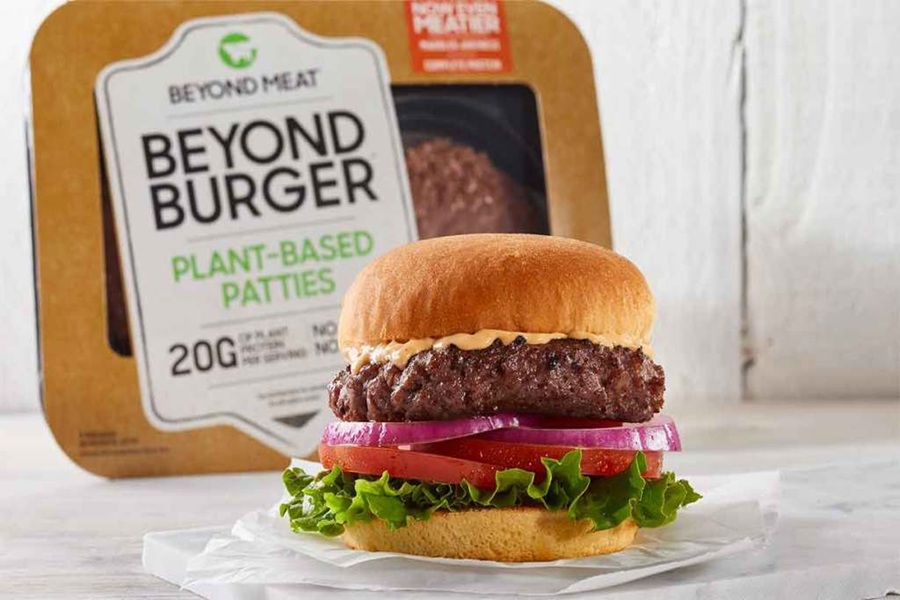
Another example is Beyond Meat, renowned for its plant-based products that boast lower environmental footprints compared to traditional meat. Beyond Meat’s ongoing transparency about their environmental impact, supported by reputable certifications, helps consumers make informed choices. Moreover, Unilever, through brands like Knorr, has initiated campaigns to promote sustainable agriculture, demonstrated through their commitment to the Unilever Sustainable Agriculture Code.
These companies showcase how genuine sustainability and verification can redefine the food industry, encouraging consumers to look beyond marketing buzzwords and invest in products that prioritize the planet’s health.
As a consumer, your choices carry the power to shape a more sustainable future. By prioritizing local, whole, and plant-based foods, you can significantly reduce the environmental degradation linked to processed foods. These options not only have a lower carbon footprint due to reduced transportation and industrial farming needs but also Support local farmers, promote biodiversity, and contribute to healthier ecosystems.
Each purchase you make is a vote for the kind of world you want to create. By opting for genuinely sustainable products and holding food brands accountable for their environmental impact, you can drive the demand for transparency and industry change. Processed foods contribute to deforestation, water scarcity, and the release of potent greenhouse gases like methane, but by reducing your consumption, you can lower your carbon footprint by up to 25%. Together, informed consumer choices can inspire meaningful change toward a healthier planet.
Original source: https://www.onegreenplanet.org