From Ancient Culling Grounds to Modern Corridors of Horror: The Farming Roots of Halloween
Before jack-o’-lanterns lit front porches and horror cinema filled theaters, October 31 was dictated by the unyielding rhythms of pasture life. Long before modern consumer rituals took hold, the origin of Halloween belonged to the Celtic festival of Samhain—an agricultural pivot marking the end of summer grazing and the arrival of the dark, punishing half of the year.
In ancient Gaelic communities, late autumn demanded brutal survival decisions. As documented in pastoral histories like those examined by Modern Farmer, the arrival of November 1 signaled the final round-up. Cattle and sheep that had spent the temperate months grazing high summer pastures were herded down toward homesteads. With winter hay stocks finite, ancient pastoralists could preserve only breeding stock and essential working beasts. The rest were slaughtered, their meat salted or smoked to keep communities alive through months of frost.
At this liminal juncture, the Celts believed the membrane separating the living from the supernatural grew dangerously thin. Great communal bonfires blazed on hilltops to guide the living and ward off restless spirits, while discarded animal bones were thrown into the embers—giving rise to the literal term “bone-fires”. Survival, animal sacrifice, and fear of the dark were inextricably tied.
Fast forward thousands of years, and popular culture has transformed those ancient fears of spirits and scarcity into polished horror entertainment. Yet animal advocacy groups like PETA argue that our culture looks in the wrong places for real nightmares. In their seasonal campaign highlighting the “Top 10 Scariest Spots,” PETA stripped away the supernatural vampires, masked stalkers, and haunted attics to refocus the lens directly on modern animal agriculture.
While the Celts culled herds out of sheer ecological necessity to survive barren winters, modern intensive farming operates on perpetual industrial assembly lines. PETA’s critique of real-world “horror spots” illustrates how pastoral tradition morphed into mechanized exploitation.
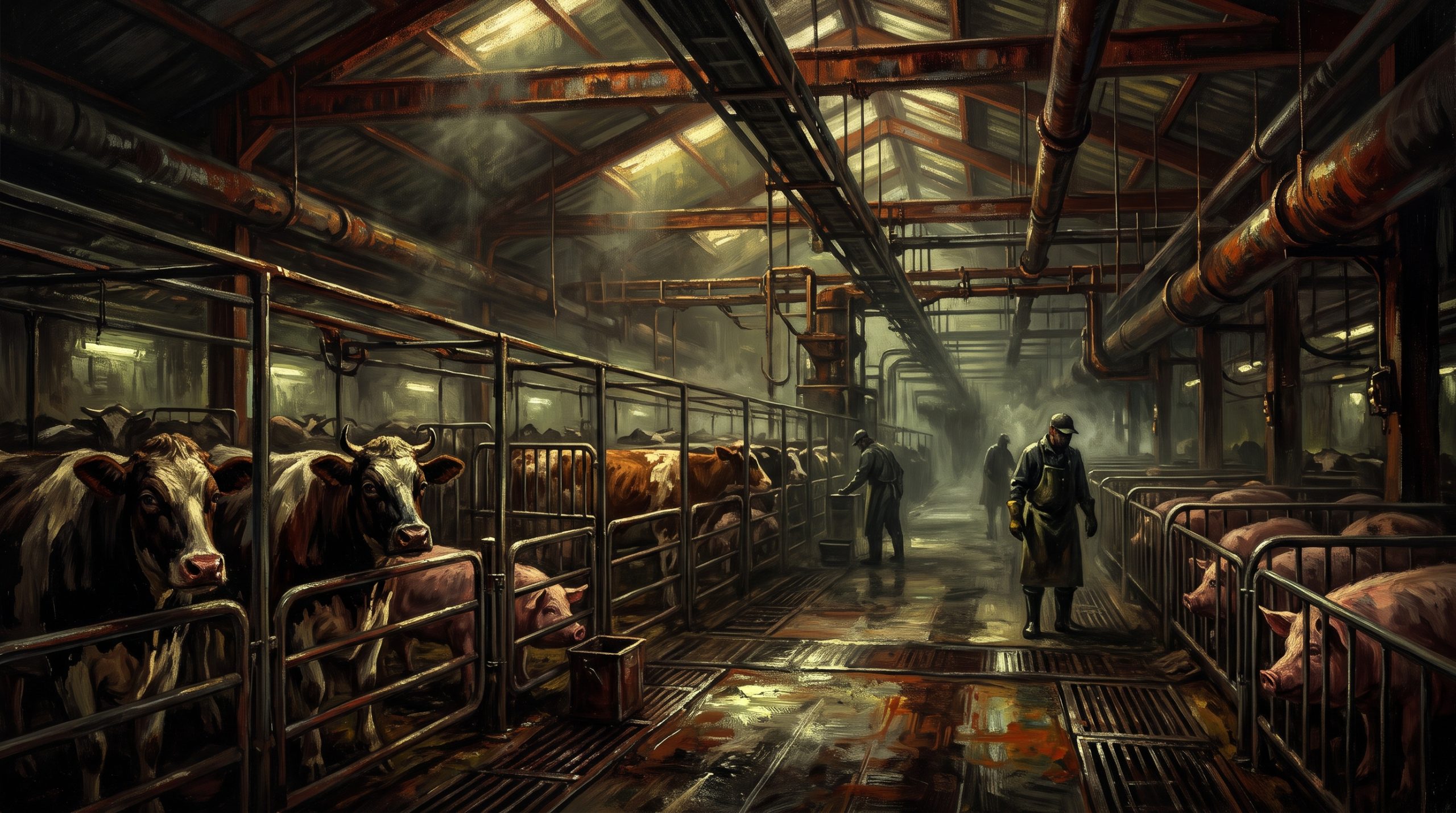
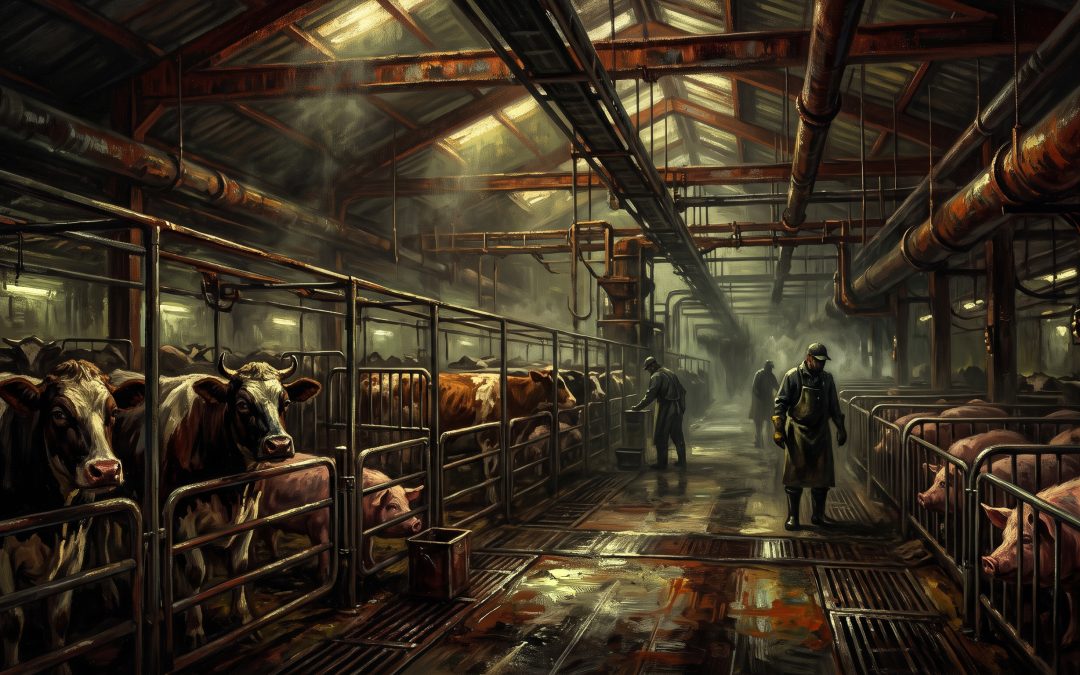
Near the top of PETA’s fright list sits the windowless commercial factory barn. In classic horror cinema, entering the dilapidated barn is the fatal mistake; inside modern industrial sheds, millions of animals endure extreme confinement, artificial illumination, and high-ammonia air.
The horror shifts from eerie atmosphere to physical claustrophobia inside commercial egg facilities. In their exposé, PETA compares the psychological distress of haunted-house mazes to the reality of battery cages. In these wire enclosures, multiple egg-laying hens spend their lives packed into spaces smaller than an iPad per bird, unable to spread a wing or touch solid ground. What lasts ten minutes in an amusement park attraction is an unbroken, two-year existence for hundreds of millions of birds.
The visual violence of Hollywood slashers finds its counterpart in industrial abattoirs. PETA draws a stark parallel between horror icons like Leatherface and commercial slaughterhouses, where mechanized stun boxes, high-speed evisceration lines, and high-throughput disassembly operate at rates unimaginable to ancient agrarian societies. For pigs and cattle, the final destination is not an open pasture under an autumn sky, but concrete kill floors and conveyor belts.
The contrast reveals a profound cultural shift. At ancient Samhain, pastoral culling was a solemn, reverent confrontation with mortality. Celtic herdsmen recognized their vulnerability, looking at animals as the thin line between their families surviving until spring or succumbing to famine. The blood spilt was treated with ritual reverence, bound to prayers for fertility and protection against nature’s harshness.
Modern society, by contrast, has sanitized and outsourced that relationship. Consumers enjoy prefabricated terror on screens while relying on opaque industrial complexes to supply meat, dairy, and eggs wrapped in clean plastic.
By intertwining the agricultural history of Samhain with modern animal welfare campaigns, Halloween’s origins come full circle. Beneath the plastic skeletons and candy wrappers, October 31 remains a holiday anchored in human reliance on animals. While the Celts lit fires to hold back winter’s ghosts, PETA’s grim roster suggests that the true horrors of the season aren’t lurking in ancient barrows—they are humming along inside the windowless sheds of modern factory farms.