Science just delivered a win for plant-based eaters everywhere. Vegan diets support muscle growth just as effectively as those loaded with animal proteins, according to a new study.
Forget what you’ve heard at the gym about needing chicken breasts and steaks to build muscle. Science just delivered a win for plant-based eaters everywhere. Researchers found that vegan diets support muscle growth just as effectively as those loaded with animal proteins, according to a new study.
“Bro-science” at fitness centers has long claimed animal proteins are essential for serious gains. This misconception has fueled a massive supplement industry pushing whey protein and other animal-derived products as muscle-building necessities. The new research published in Medicine & Science in Sports & Exercise says is great news for those interested in moving more towards plant-based diets.
The science behind the study
The University of Illinois Urbana-Champaign team, led by Andrew Askow and Nicholas Burd, discovered that when protein intake is matched, there’s no difference in how quickly muscles create new proteins – regardless of whether that protein comes from plants or animals.
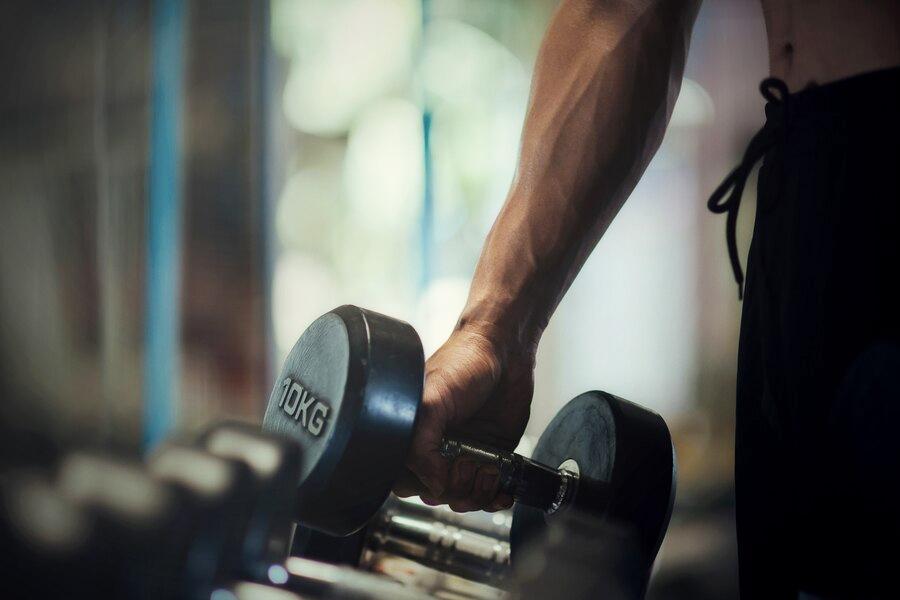
The researchers studied 40 healthy, active young adults who followed either vegan or omnivorous diets for nine days while completing resistance training. Both groups consumed the same amount of protein daily (about 1.1-1.2 grams per kilogram of body weight). Using techniques involving heavy water and muscle samples, the scientists directly measured muscle protein synthesis rates – the process responsible for muscle growth.
In the paper, the researchers state: “Our results demonstrated that the anabolic action of animal vs. vegan dietary patterns are similar.” This finding directly contradicts long-held beliefs about animal protein superiority.
Protein timing myth busted
The researchers also tested whether protein distribution evenly throughout the day matters. Half the participants in each diet group consumed their protein in three uneven meals (10%, 30%, and 60% of daily protein), while the other half spread their protein intake evenly across five meals (20% each).
Despite popular theories suggesting that even protein distribution is optimal, the study found no significant difference between these approaches.
“There was no effect of dietary pattern or protein distribution on the stimulation of myofibrillar protein synthesis rates,” the researchers reported. Simply put, whether participants ate animal or plant proteins, and regardless of how they timed their meals, their muscles synthesized new proteins at similar rates.
The data rebuts theories suggesting precise meal timing and protein distribution are critical for muscle development. Exercise appears to enhance the body’s ability to use both protein types effectively, minimizing differences between animal and plant sources.
Mental and physical benefits
Interestingly, the study uncovered psychological differences between the diet groups. Participants following omnivorous diets reported “greater feelings of pleasantness” compared to those on vegan diets. However, the vegan group reported “higher feelings of energy and lower feelings of tiredness.” This suggests that while vegan diets may support equal muscle growth, they might also offer some advantages for energy levels during training.
The findings come at a time when plant-based eating continues to gain popularity, with many people reducing animal product consumption for health, environmental, or ethical reasons. This research provides reassurance that those choosing plant-based diets can achieve their fitness goals without compromise.
For athletes, fitness enthusiasts, and anyone concerned about maintaining muscle mass while reducing animal product consumption, the implications are straightforward: protein quality matters less than overall diet quality and consistent resistance training. You can build muscle effectively without animal products if you consume sufficient total protein from varied plant sources.
Original source: https://studyfinds.org/
https://www.animalagricultureclimatechange.org/vegan-athletes/