
VEGAN HEALTH BENEFITS – OLDER ARTICLES
There are many benefits becoming a vegan, but don’t just believe us – read what the experts are saying below. If you aren’t vegan already, you will be after reading these articles!

The Karmic interconnectedness between humans and animals which is at the heart of diseases like coronavirus
The COVID-19 coronavirus has killed thousands of people around the world, including 14 in the U.S., and its origin in animals and global spread should remind us how inextricably linked we are with other life on Earth.
We share the same planet and breathe the same air, and we also exchange microbes including germs. Now, with our burgeoning human population and global economy, we face new threats from a wider distribution of diseases like this new strain of coronavirus.
For some background, the World Health Organization (WHO) explains: “Coronaviruses (CoV) are a large family of viruses that cause illness ranging from the common cold to more severe diseases such as Middle East Respiratory Syndrome (MERS-CoV) and Severe Acute Respiratory Syndrome (SARS-CoV)… Coronaviruses are zoonotic, meaning they are transmitted between animals and people.” COVID-19 was thought to have come from a live animal market where animals are often sold as food in Wuhan, China in December 2019, and so far it has been confirmed in nearly 80 countries and declared a “public health emergency of international concern” by the World Health Organization.
No one yet knows how many people will be infected or die from COVID-19, but it has characteristics similar to the bird flu, known as the “Spanish Flu,” which killed millions during World War One.
SARS, MERS, and COVID-19 are contagious diseases that jump from animals to humans, and more needs to be done to curtail these, including banning live animal markets. But, other potentially fatal zoonoses also warrant attention.
The Centers for Disease Control and Prevention (CDC) warns: “…3 out of every 4 new or emerging infectious diseases in people come from animals.” These include viruses, bacteria, fungi and parasites, and they infect millions of U.S. citizens every year.
In the U.S., almost ten billion animals are exploited and slaughtered every year. Most live short miserable lives in overcrowded factory farms, which are a breeding ground for disease, including emerging pathogens and virulent strains of antibiotic-resistant bacteria.
In addition to foodborne illness and environmental pollution, animal agriculture can also incite global pandemics like H1N1, which was initially called “swine flu” because it was linked to a similar disease in pigs, but its connection to animal agriculture has since been largely obscured.
The H1N1 pandemic killed hundreds of thousands of people around the globe, including over ten thousand in the U.S., according to CDC: “From April 12, 2009, to April 10, 2010, CDC estimated there were 60.8 million cases (range: 43.3-89.3 million), 274,304 hospitalizations (range: 195,086-402,719), and 12,469 deaths (range: 8868-18,306) in the United States due to the (H1N1)pdm09 virus… Additionally, CDC estimated that 151,700-575,400 people worldwide died from (H1N1)pdm09 virus infection during the first year the virus circulated.”
While animal-borne illnesses continue to threaten human health, agribusiness has a vested interest in preventing consumers from thinking about it — under the oversight of the U.S. Department of Agriculture (USDA). Since the 1980s, Farm Sanctuary has investigated farms, stockyards and slaughterhouses and worked to prevent irresponsible agricultural practices, such as the transport and slaughter of downed animals, animals too sick even to stand.
The USDA defended the practice for decades, dismissing our concerns about diseased animals entering the food supply. Finally, after confirming mad cow disease in the U.S., the agency agreed that downed cows should not be slaughtered for human consumption. Unfortunately, however, other diseased and debilitated animals are still entering the U.S. food supply, including half a million downed pigs every year.
We continue challenging this inhumane and risky practice, and we are also challenging a new USDA policy to remove limits on slaughterhouse line speeds, and give the industry more authority to police itself. The USDA and other government officials need to protect the public, instead of serving the short-sighted financial interests of agribusiness.
Government programs should encourage diverse organic farms that build soil and create ecological sustainability and resilience, instead of chemically dependent mono-crops and factory farm confinement, which denude and despoil the earth.
We should invest in plant-based agriculture and grow crops to feed people instead of farm animals, which would feed more people with less land and fewer resources, allowing rainforests and other vital ecosystems to be preserved, along with biodiversity and the earth’s natural capacity for regulating greenhouse gasses and other environmental threats. We all benefit when our common home, the earth, is healthier.
Transitioning agriculture and government policies will take time, but each of us can make daily choices to help the planet and ourselves. Eating nutritious, plant-based foods can help fortify our immune systems, thereby enhancing our ability to withstand various threats, including from contagious viruses like COVID-19.
Our disrespectful treatment of other animals and the earth has consequences, and when they are harmed, ultimately, so are we. All life on Earth is connected, and it’s in our interest to act accordingly.
Gene Baur is the president and co-founder of Farm Sanctuary, a national farm animal rescue and advocacy organization.
Original Source: https://thehill.com/
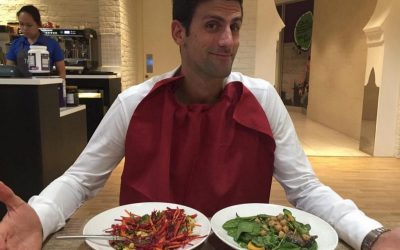
Words of wisdom on Coronavirus from plant-based tennis ace Novak Djokovic
The coronavirus outbreak has done something peculiar- it has put something as simple as health and hygiene at the forefront of our minds. It’s peculiar because we should know and maintain hygiene anyway, coronavirus or not. Novak Djokovic did his part by sharing some tips for everyone to do just that.
Novak Djokovic is a health and fitness freak if there ever was one. Apart from his awe-inspiring tennis on the courts, the Serb is famous for his vegan diet. It is not often you see a top athlete stick to a plant-based diet and not touch meat. However, Novak has certainly proven the effectiveness of it.
And now, in times of the serious pandemic across the globe, Djokovic shared some health and hygiene tips so that everyone may stay safe from COVID-19.
Novak Djokovic shares a few tips
Novak finally left the USA yesterday as he headed back to Europe. He talked to Telegraf after that to share his wisdom with us.
- Drink as many green shakes, made from leafy vegetables like parsley, spinach, kale, etc., as you possibly can. This creates an alkaline base in your body which disables the pathogens and viruses from thriving.
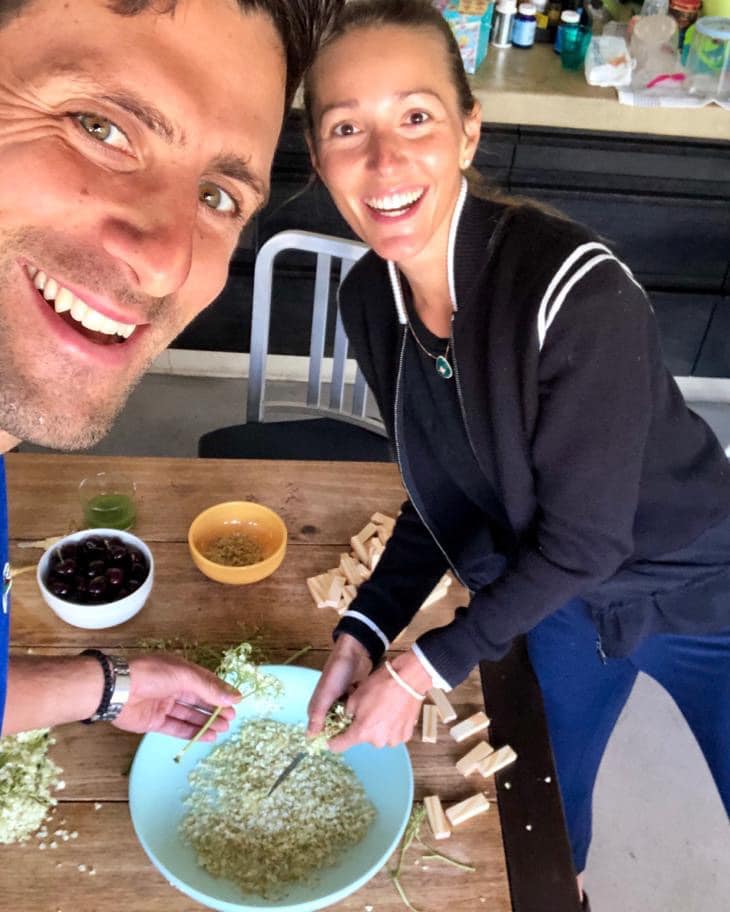
- Increase your daily intake of zinc and Vitamin C. You can increase your daily dose of 5 to 7 grams of Vitamin C to 10 grams. As for zinc, try and get your hands on liquid zinc, which is the best form to intake. If not, any other form will do.
- Drink a concoction of warm lemon water with sea salt every morning, on an empty stomach. Repeat several times a day. It is recommended that you drink the solution on as empty a stomach as you possibly can. You may also add ginger and mint leaves to the drink if you wish.
- In a teaspoon of honey and cinnamon, add a small portion of garlic cloves and consume.
- Different types of teas and fresh herbs are always good for your body. Drink hibiscus or Rtanj tea.
- Colloidal silver water can be very useful in shoring up your immunity. (Note that this is alternative medicine. Use at your discretion)
- Make a habit of doing breathing exercises on a daily basis. It helps you to maintain your mental harmony and also helps to improve your digestion and metabolism.
- Original Source: https://www.essentiallysports.com/
Covid-19 makes people chose Jackfruit over chicken and mutton
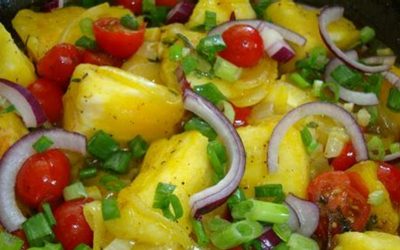
With the vast spread of the COVID19 all over the world, people are looking for options to switch to vegetarian food to avoid the use of meat as much as possible. While poultry has been marked safe by the Indian government when the buzz around COVID19 began in India, people are still confused about eating the meat. In this state of complete disarray, the safest option people are now choosing is Jackfruit as its texture and flavours are quite similar.
The scarcity of jackfruit
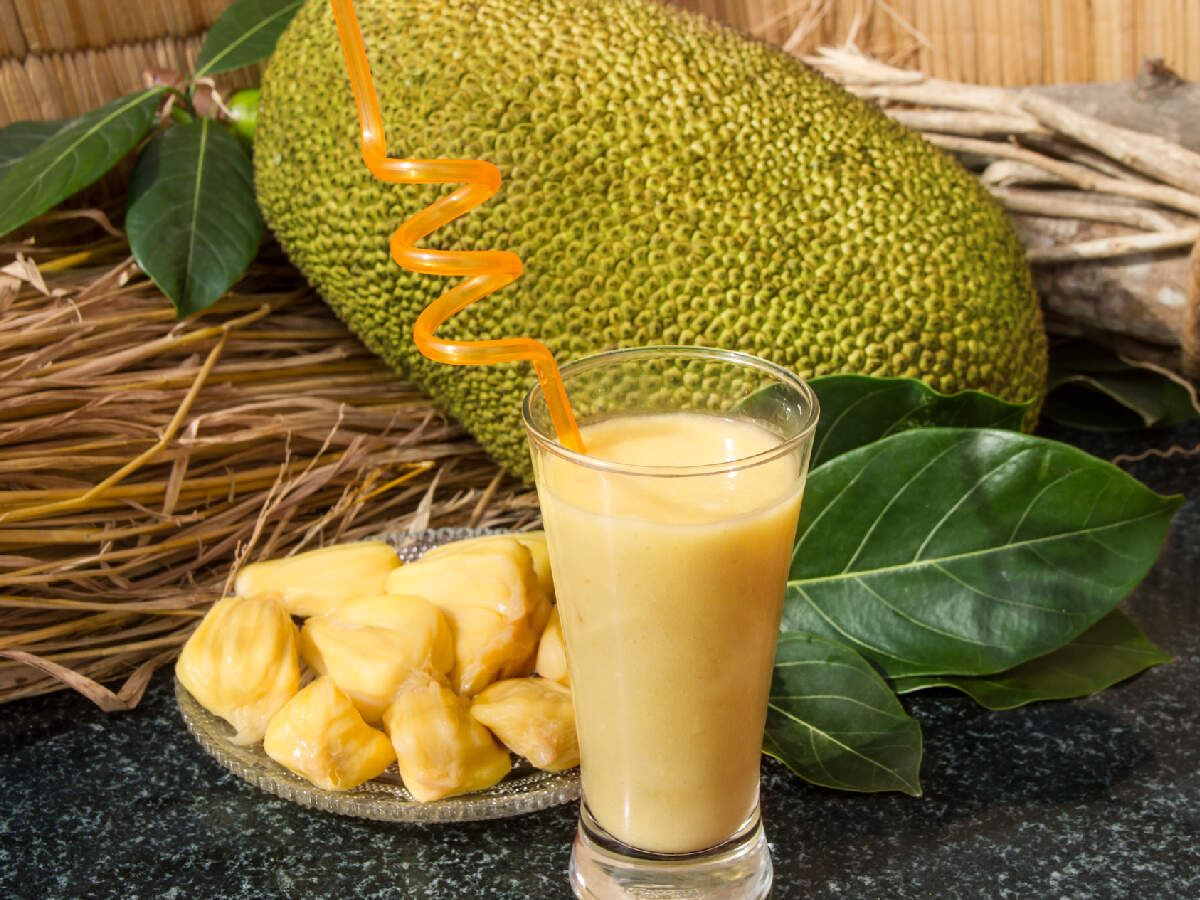
Also known as kathal, jackfruit has been a go-to alternative for chicken and mutton for the longest time and with the coronavirus scare, it is selling at a whopping amount of 120 Rs. per kg when it used to be just 50 Rs. per kg. And chicken, on the other hand, is being sold at 80 Rs. per kg due to almost no demand. Many people have come forward saying that consuming Kathal is way better than consuming chicken and mutton these days but the only problem is that due to sudden high demand, it is very difficult to find in local markets.
The popular vegan food
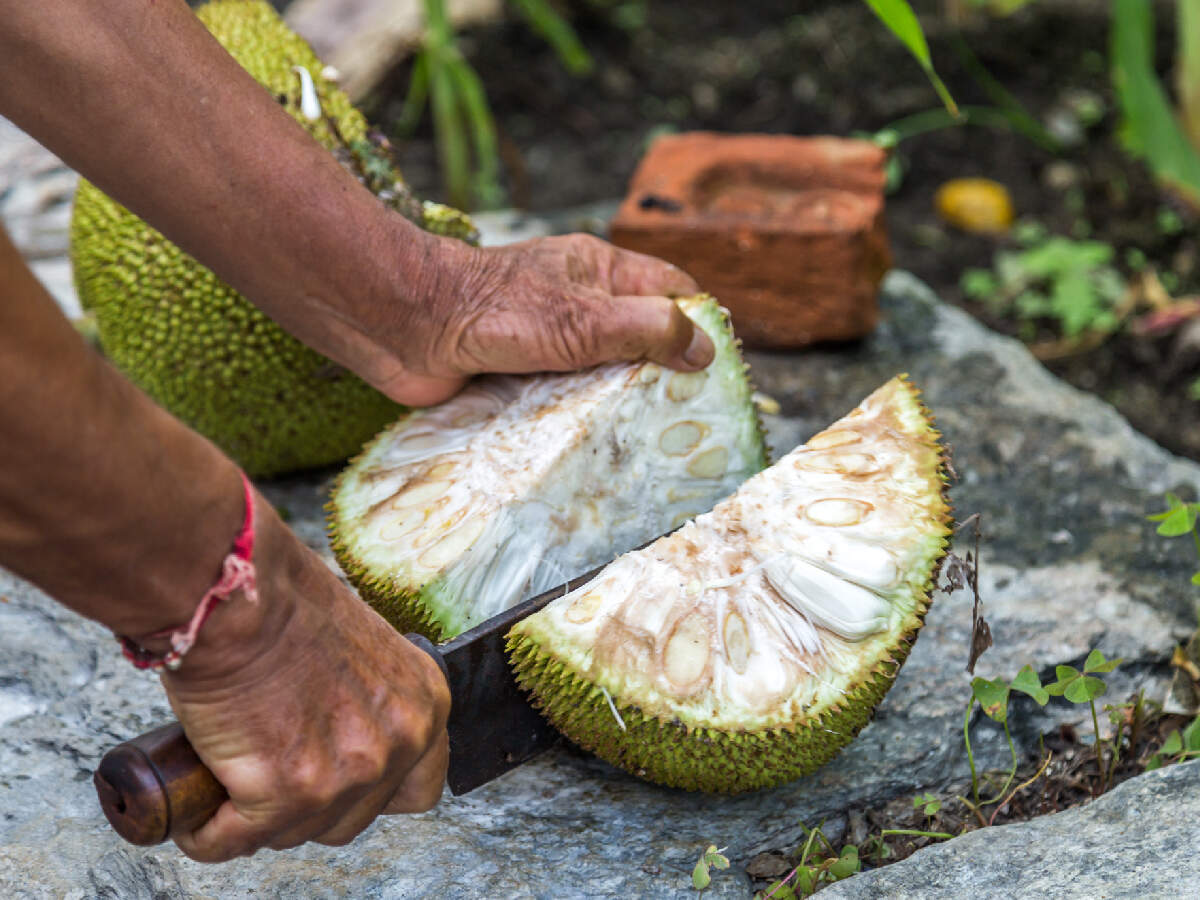
Jackfruit is one such fruit that is also a vegetable and can be used to prepare both desserts and sabzi and can also be eaten raw once it ripes. Typically grown in parts of India and parts of South-east Asia, jackfruit gained a lot of popularity around the world when it was considered as one of the best ingredients to cook vegan food. Many people use it to prepare sandwiches where it very efficiently replaces chicken or pork pull. Adding it to salads became a trend that is not going away anytime soon as with time, we can only see its value and demand increasing.
An ideal substitute for meat
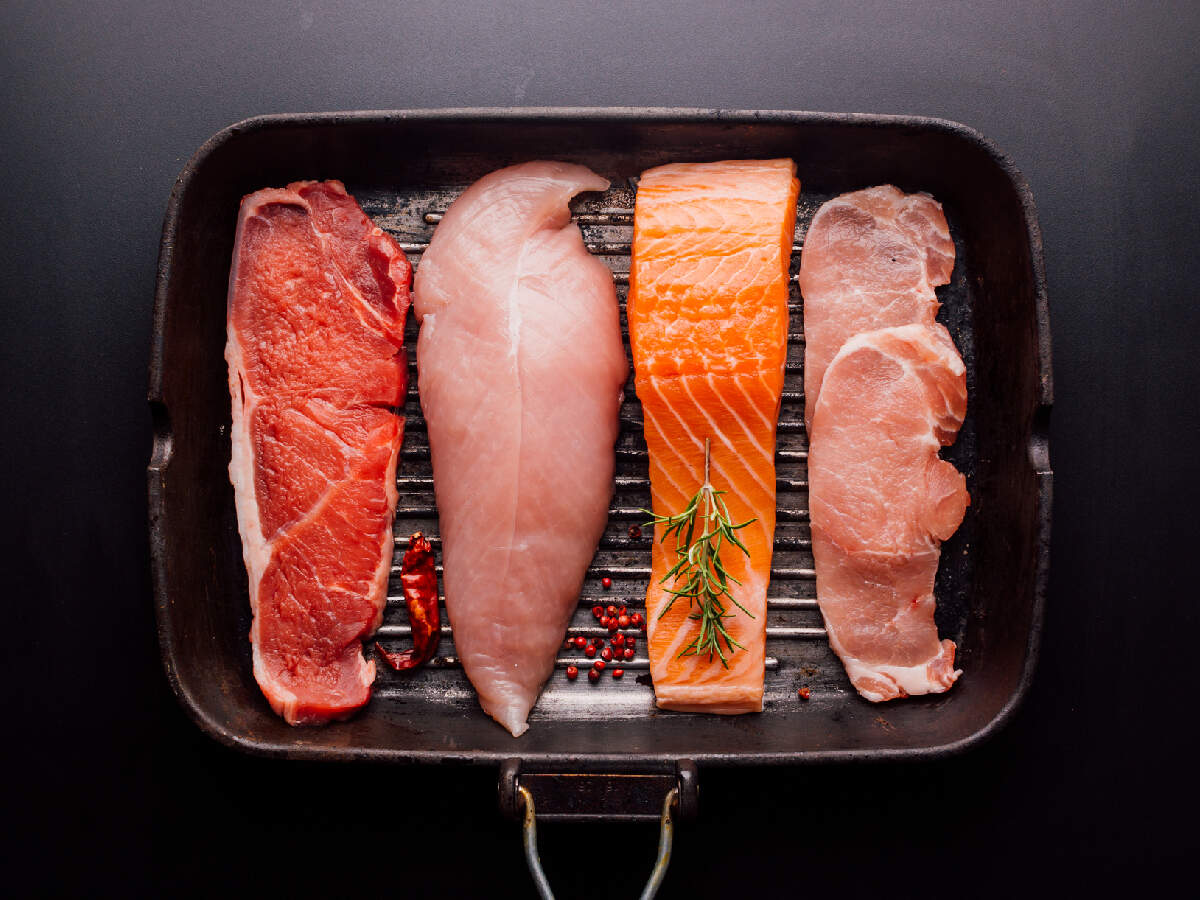
Not just an ideal substitute for meat, jackfruit has other qualities that make it a powerhouse of nutrition. With being low in calories, it is naturally sodium and fat-free and provides an ample amount of vitamin A and C. It is also beneficial in lowering blood-pressure with its potassium content. If all of these weren’t enough, this magic fruit/vegetable is also very low on calories and if prepared healthily, you will only benefit from its nutritional goodness. If we compare the protein levels of the fruit with meat, you get 2 gms of protein in one serving of Jackfruit but 6-7 gms of protein from a serving of meat. So, to keep it a balanced meal, it is important to take a side of beans or other vegetables to even out the protein requirement of the body.
Recipes to prepare with jackfruit
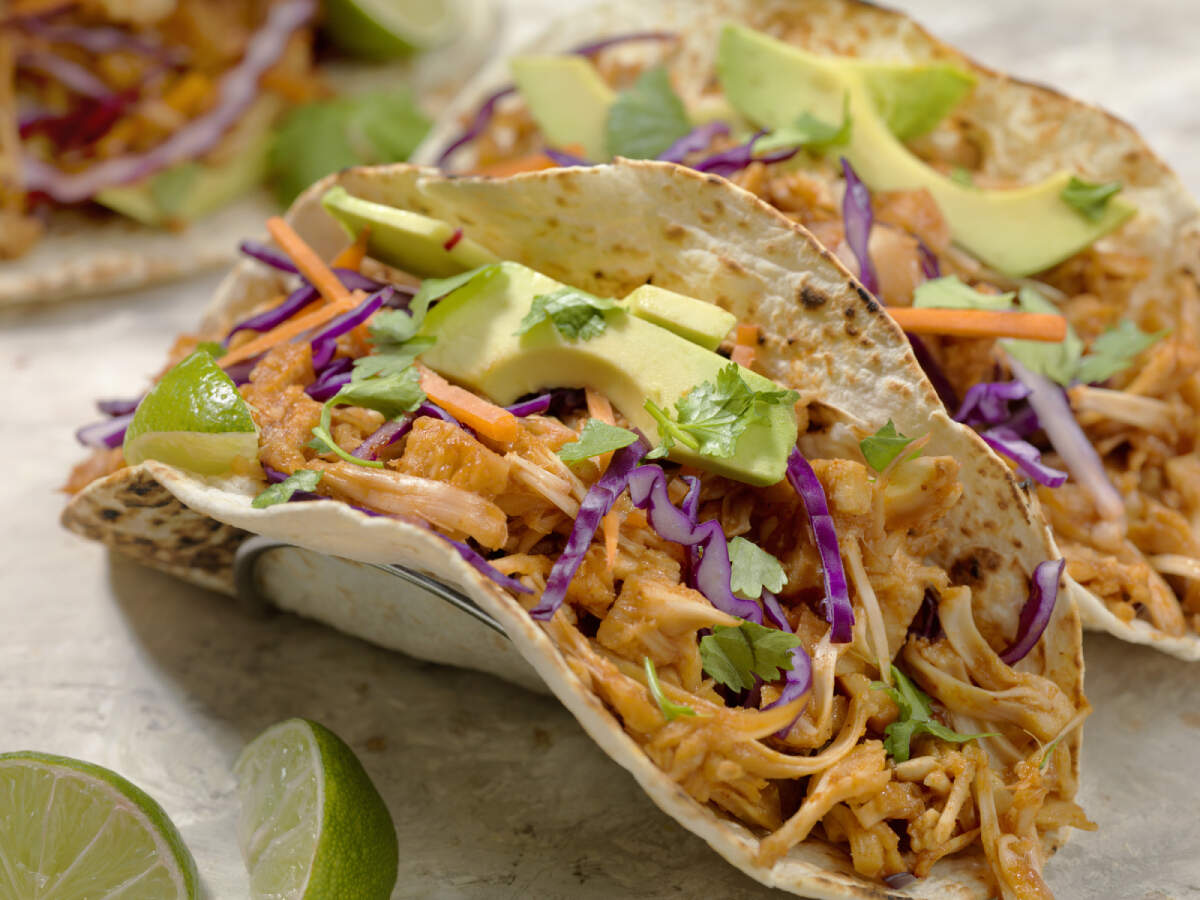
So, if you are looking for a way to include more jackfruit in your daily diet or if you are also looking for a suitable substitute for meat and are bored with the regular Kathal ki Sabzi, all you need to do is shake things up a little. With the popularity that this exotic ingredient has gained, you can create just about anything you want. Add some jackfruit in your sushi bowl or spread it on your pizza like shredded chicken or pork and you will have no regrets. Creating sandwiches and exotic wraps with ingredients like pickles, mangoes, and, jackfruits is the best way to add them to your daily diet and savour them.
Original Source: https://timesofindia.indiatimes.com/
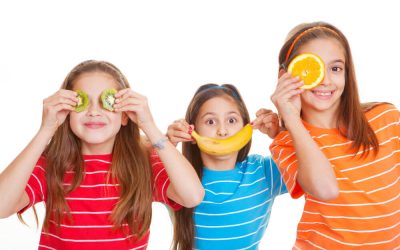
Plant-based Diets Are Better For Your Health And The Environment
Switching to a plant-based diet is great for your health and great for the environment, delicious and incredibly convenient.
It is a pretty big misconception that those with a plant-based diet eat rabbit food. In fact, it has never been easier to swap meat for an alternative. Even fast-food chains are starting to cater to plant-based diets. Ever since Burger King came out with the Impossible Whopper, other fast-food chains have followed suit. Even KFC is serving fried chicken alternatives.Plant-based diets are better for your health. Cutting down on meat products can help diminish chances of heart disease as well as lower cholesterol and blood pressure.
Another misconception about plant-based diets is that they lack protein. However, eating foods like beans, nuts and legumes can provide enough protein for a healthy lifestyle. Having a plant-based diet, whether it be veganism, vegetarianism, pescetarianism, or even just meatless Mondays can help the environment as well because the meat industry is one of the leading causes of climate change.
Now more than ever is this an important contribution with global warming becoming more of a threat. With more and more people choosing to abandon meat each year, the choice becomes easier to make. While this diet used to be taboo and even challenging to commit to twenty years ago, this is not the case now. Just go to the local Walmart or Kroger and you will see plenty of meat and dairy alternatives on the shelves. Even in smaller rural towns it is possible to become plant based. Just making small changes to your diet can help the Earth.
The future is plant based.
Original source: http://www.tntechoracle.com/
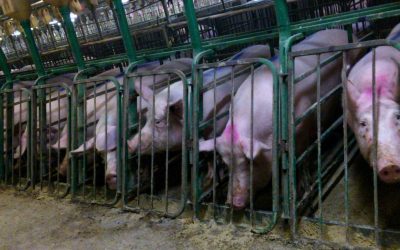
The ‘Sick’ Truth About Factory Farms
Factory farming is making us sick, destroying the environment and harming animals. Is this the price we want to pay for profit?
In 2018, a small poultry farm in Montgomery County, Maryland, that sold both meat and eggs was shut down for animal cruelty and filthy conditions. These birds were suffering from various medical conditions and had evidently been denied veterinary care. After officials discovered the state of the farm, more than 100 chickens were killed to alleviate horrific suffering and unsafe medical conditions. This wasn’t big news, and as farms continue to mistreat animals and workers, dupe consumers, and destroy the planet, that’s a huge problem.
The Maryland farm was a small example of animal cruelty, but this — and worse — happens on factory farms across the country every single day.
Sadly, the treatment of birds that led to this has become the norm in our country. The heartwrenching images from “Happy Farm” (a poignantly ironic name) sadly represent the conditions for chickens in unregulated industrial agriculture in Maryland and nationwide. While operations like “Happy Farm” are being closed and farmers are being prosecuted, hundreds of millions of birds are suffering in the supply chains of large corporations like Tyson Foods, Perdue Farms, and Mountaire Farms. These injustices are passed on to farmers, workers, and consumers.
Though the poultry and egg companies often advertise happy chickens in rolling green fields, the reality could not be further from that imagery. Enormous poultry operations, contracted by larger corporations, are pressured to produce as much meat as possible, as quickly as possible, and with as few resources as possible. Such meager profit margins mean consistent overcrowding of thousands of birds in dark, ammonia-filled sheds with little ventilation. Most will spend their lives without ever setting foot on grass, and their first breath of fresh air will be on a truck bound for the slaughterhouse.
Enormous poultry operations in Maryland, contracted by larger corporations, are pressured to produce as much meat as possible, as quickly as possible, and with as few resources as possible.
Because farmers are working to produce huge quantities of meat, birds are bred for cruel rapid growth and barely resemble the chickens raised a mere 50 years ago. Because they grow so quickly, chickens can suffer from painful medical conditions similar to muscular dystrophy in humans. Some chickens manage to survive these conditions until they are slaughtered at just 2 months old.
Birds who are kept alive for breeding are subject to cruel practices like “nose bones,” wherein a plastic rod is shoved through the bird’s nose in order to regulate feed intake. Because birds are bred to grow so quickly, their life spans are drastically shortened, so they must be starved in order to avoid weight gain and be kept alive long enough to breed. Mountaire Farms, a company with a large Maryland presence, has yet to confirm or deny that they utilize this barbaric practice.
Meanwhile, the subsequent air and water pollution expands this toxic environment to surrounding communities. Workers on farms and in processing plants, a workforce with many vulnerable undocumented immigrants, often endure dangerous conditions, long hours, and low pay. People begin to suffer along with the birds.
Factory farms pose serious environmental health problems, not just for the animals who are forced to live in torturous conditions, but also for the people living in surrounding communities. Pollution from agriculture in the U.S. threatens over 13,000 miles of rivers and streams and over 60,000 acres of lakes and ponds. In Wicomico County in Maryland, the County Health Department reported one in four middle school students diagnosed with asthma. Health concerns in communities near large animal agriculture operations are common. Communities all along the East Coast are suing meat companies for offenses from environmental nuisance to wrongful death.
It’s undeniable: Factory farming in the U.S. will only continue to threaten animals, people, and the environment if we don’t make sweeping political and ideological changes, and soon. In the meantime, consumers can take important steps to protect their health, the environment, and the well-being of animals by choosing plant-based meals.
While factory farming exists in America, communities and animals will continue to be in crisis. These companies are driven by profit and have no incentives to change unless consumers and constituents demand it. As individuals, we can urge legislators to pass stricter regulations, push agencies to hold these corporations accountable, and, most notably, we can vote with our wallets by refusing to support this cruel, exploitative industry. Citizens can make a measurable and instant impact by declining to participate in animal cruelty and environmental devastation by making their next meal a vegan one. So let’s urge our legislators to ban factory farming and ensure that this cruelty toward farmed animals, both in the Happy Farm case and on a wider scale, is no longer tolerated.
Original source: https://heated.medium.com/
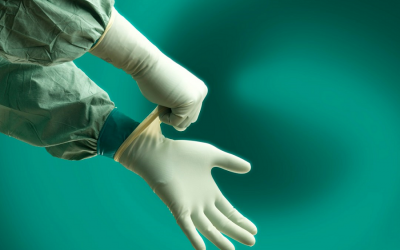
No More Leather Gloves For Red Cross
After pressure from PETA the Red Cross have agreed to stop using leather hand gloves, and to instead opt for a more ethical option.
Following communications with PETA, the American Red Cross pledged to replace the leather gloves in its flood and fire kits with leather-free ones—a move that helps save cows, who are castrated and branded, endure their tails being cut off, and face even worse abuse before their throats are slit in slaughterhouses. In thanks, PETA has sent over a box of delicious vegan chocolates.
“The American Red Cross did the right thing in sparing cows and the planet the cruelty and devastation of the leather industry,” says PETA Senior Director of Corporate Affairs Anne Brainard. “This is yet another sign that leather-free fabrics and PETA-approved vegan leather—made from recycled plastic, pineapple, fruit pulp, coffee grounds, and other durable materials—are being widely embraced more than ever before.”
A PETA video exposé of Brazil’s JBS S.A.—the world’s largest leather processor—revealed that cows and bulls were branded on the face, electroshocked, and beaten before being killed for meat and leather. After a lifetime of intense confinement, cows are typically transported to slaughterhouses, where their throats are slit and some are even skinned and dismembered while they’re still conscious.
Animal agriculture—which includes the leather industry—is responsible for nearly a fifth of human-induced greenhouse-gas emissions and is devastating the planet on a global scale. More than 80{85424e366b324f7465dc80d56c21055464082cc00b76c51558805a981c8fcd63} of the Amazon rainforest that’s been cleared since 1970 is used for grazing or for growing food for cattle who are slaughtered for meat and leather. Recent reports found that in three environmental-impact categories—water scarcity, climate change, and overall environmental well-being—cow leather has almost three times the negative environmental impact of polyurethane leather.
PETA—whose motto reads, in part, that “animals are not ours to wear”—opposes speciesism, which is a human-supremacist worldview.
Original source: https://www.peta.org/
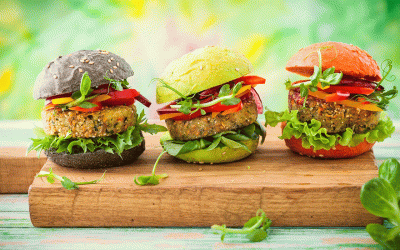
Plant-based Meat Goes Mainstream
Plant-based “vegan meat” and vegan fast-food options are all the rage at restaurants as consumer demand grows.
Neil Rankin first really took notice of vegans in 2016 when they were threatening to protest outside his restaurant. The 43-year-old chef had just opened Temper, a barbecue joint in Soho built around a six metre-long fire pit, which was the biggest in London and perhaps in any restaurant anywhere. Whole beasts were brought in, butchered and grilled theatrically in thick slabs over the embers. As the Observer’s Jay Rayner noted (admiringly): “There is a menu, but they could just replace it with a massive sign stamped with the word MEAT!, alongside one of those comedy boxing gloves on an extending arm which keeps punching you in the face until you surrender.”
Rankin was in many respects an obvious target for vegan ire. With his elaborate tatts, brawny forearms and trucker cap, he was a poster boy for the strange but powerful barbecue fixation that took hold a few years ago; before Temper, he worked variously as a chef at Pitt Cue Co, Smokehouse and Bad Egg. He’d also just spent two years smoking, braising and grilling to produce a bible for carnivores titled Low and Slow: How to Cook Meat. “I’ve cooked 15 goats all at once,” Rankin says, flecks of Edinburgh in his voice. “I’ve butchered many animals in my time.”
So when the vegans came after him on social media, Rankin wasn’t surprised or especially bothered. Those at the “extremist” end, he ignored – “There’s no grey area,” he reasoned, “you’re evil, you’re wrong, that’s it” – but others, he’d debate. One in particular, a university lecturer on food issues, he became friendly with and they went out for dinner. Rankin pointed out that, unlike most steakhouses, his use of entire carcasses respected animals and minimised offcuts, but on certain issues he was swayed. “I was part of a group of people who made barbecue big again in the UK and I’m not too sure if that was a good thing,” he concedes now. “It was an interesting eye-opener to my own ethics and what I was doing.”
Rankin is telling me this in a vegan restaurant. His zero-waste vegan restaurant, in fact: Simplicity Burger on Brick Lane in east London, across the street from the famous bagel shops. When we meet, he’s almost completed Veganuary. Rankin estimates that he probably hasn’t bought meat to cook at home for two-and-a-half years. It’s like Richard Dawkins confiding that maybe he was a bit hasty writing off the whole God thing.
Either that or Rankin is very canny at predicting and leading food trends. There is disagreement over the popularity of veganism in the UK: most estimates put it at a little over 1{85424e366b324f7465dc80d56c21055464082cc00b76c51558805a981c8fcd63} of the population. But there is clearly unprecedented awareness and press coverage of it. This year, 400,000 people globally signed up for Veganuary, compared with 250,000 in 2019. Not long ago, the big supermarkets might have a sorry corner with some Quorn and Linda McCartney products; as of last month, when Sainsbury’s joined the club, they all have own-brand plant-based ranges, as well as many stocking the likes of the Meatless Farm Co, Vivera and Oumph!. There’s everything from fake turkey to vegetarian “ham”, and even vegan pork scratchings, made from flash-fried soya pieces, which received 174{85424e366b324f7465dc80d56c21055464082cc00b76c51558805a981c8fcd63} funding on Kickstarter last year. The global demand for plant-based protein has grown from £2.9bn in 2015 to a predicted £4bn this year.
One area of undisputed growth is plant-based convenience food. The Vegan Society calls it “the UK’s fastest-growing takeaway choice”, having exploded by 388{85424e366b324f7465dc80d56c21055464082cc00b76c51558805a981c8fcd63} (from, admittedly, a low base) between 2016 and 2018. A tipping point was the release last year of the Greggs vegan sausage roll, which, thanks to Piers Morgan, clever use of social media and the fact that it doesn’t taste awful, has brought a new audience to plant-based meat alternatives. Greggs doesn’t talk about specific sales, only that the “huge popularity” of its vegan sausage roll – and, this year’s releases, the vegan steak bake and a doughnut – have driven total sales to rise by 13.5{85424e366b324f7465dc80d56c21055464082cc00b76c51558805a981c8fcd63}. Last month, the company announced it would pay its 25,000 employees bonuses totalling £7m, or up to £300 each.
Plant-based food is now even raiding the spiritual castle of the meat pie: the football ground. When Chelsea played Arsenal last month, supporters at Stamford Bridge could warm themselves at half-time with a vegan doner kebab or buffalo cauli wings at the Premier League’s first fully vegan kiosk.
Much of the demand in the fast-food sector is for fake burgers, with restaurants lasciviously telling vegans and flexitarians – meat-reducers, essentially – that theirs “ooze” and “bleed” just like the real thing. Anyone doubting there is serious money in this sector need only look at the US company Beyond Meat, which supplies smaller UK chains such as Honest, Neat Burger and Halo Burger but also All Bar Ones, Premier Inns and Toby Carverys. In July last year, Beyond Meat briefly had a market valuation of $11.7bn (£9bn).
When Rankin set out to make his plant-based Simplicity Burger he did not want to make a product that would appeal to vegans. That was thinking far too small. He wanted to craft a burger with such deep umami notes that anyone and everyone would find it delicious. “Eight months at home, just doing weird stuff with mushrooms and things like that,” Rankin recalls. “I got the flavour really early on; it was the texture that was the hardest thing to get. There were times when I was pulling my hair out. Times I gave up. But when I finally nailed it, that was a good feeling. I was like, ‘Thank god I didn’t have to add some weird chemical.’”
Rankin is in some senses a late arrival at the plant-based party. But the difference, he believes, is that he has approached the challenge as a chef, not as a food scientist, wellness guru or tech entrepreneur. For example, the cheese for the Simplicity Burger could have been a simple vegan cheese: it might not have tasted of much, but it would have melted and provided a familiar texture. Instead, Rankin decided to extract the liquid from vegan cheese and replace it with fermented tomato water, fried onion oil and pickle juice. The result is quite mind-bending: it’s cheese that tastes not of cheese, but faintly of a cheeseburger.
The reason that many chefs have been slow to engage with vegan food, Rankin suggests, is hubris. “Because it’s not cool,” he says. “I’ve taken a lot of flak for it. I get laughed at. I go to these little chef things and they go, ‘How’s your vegan thing? Haha!’ And I’m like, ‘How’s your restaurant that does fuck all for nobody apart from your own ego?’”
Still, Rankin knows, from years sweating over a fire pit, how deep and primal our love of meat is and how difficult it will be to convince the doubters. “There’s a cultural identity to it,” says Rankin. “If you take that scene in Pulp Fiction, where Samuel L Jackson and John Travolta come into the room and he’s eating the burger and he tries it and says, ‘This is a tasty burger…’ You can’t replace that scene with a falafel and get away with it.”
Rankin’s Simplicity Burger is indeed a tasty burger. The first mouthful delivers a dense, satisfying umami whoomph I haven’t tasted before from plant-based fast food. That’s not to imply that I’m tricked into thinking I’m eating a beef burger: it doesn’t fall apart in your mouth in quite the same way. But that’s not a criticism of Rankin; it’s just an acknowledgment that replicating meat is an outsize, maybe even impossible, culinary and scientific challenge.
When you put a ground beef in a hot pan, there’s immediately a reaction between amino acids and simple sugars that form complex flavour compounds. The meat browns – the Maillard reaction – and creates more than 4,000 different molecules, which are responsible for its distinctive look, texture, smell and flavour. Humans have found the taste of cooked meat irresistible for approximately two-and-a-half million years. Eating animals is the main reason our brains developed and our stomachs shrank and we no longer had to spend all day foraging for food.
So why then, if it’s so difficult, are so many people trying to mimic meat with vegetables? The climate emergency is the most pressing reason. In the past half century, global meat production has increased by more than 400{85424e366b324f7465dc80d56c21055464082cc00b76c51558805a981c8fcd63}. In the next 30 years, as the population nudges 10 billion, there are projections that demand for meat will double again. “And cows just take too long to grow,” says Simeon Van der Molen, who launched the plant-based manufacturer Moving Mountains in west London in 2015. “After three years, you get 1,000 kilograms of beef, but that’s a ridiculously long time.”
Van der Molen, who is 47 years old and favours the Branson-casual entrepreneur uniform of open-necked shirt and running shoes, had no previous experience in the food industry; his other company, Ecozone, makes detergents. But he had an itch to try something different and he was hearing a lot of noise from the States about Beyond Meat and market leader Impossible Foods, which was founded by Pat Brown, a professor of biochemistry at Stanford University, and has a stated aim to make animal agriculture and deep-sea fishing redundant by 2035. Van der Molen also had personal reasons.
“I went to the doctors and I had cholesterol at 6.9 and the doctor told me to stop eating burgers,” he recalls when we meet at the Moving Mountains co-working office in Chiswick. “Otherwise I was going to end up on statins all my life. So I went straight to the supermarket and, as you can imagine back in 2015, it wasn’t very tasty: the burgers were bean burgers, nut burgers. And for someone who has gone from eating a quarter pounder that’s juicy and succulent, having a burger that looks like a squashed falafel is just too much of a step.”
In this regard, Van der Molen thinks he is typical. His research suggests that most Moving Mountains customers are either aged 15 to 25, “doing it for the environment and animal welfare”, or between 45 and 65 and driven by health reasons. “Because their doctors told them like they told me,” says Van der Molen. Women significantly outnumber men.
Van der Molen started by speaking to food technologists. He paid for it from his own pocket; he also sold his collection of classic cars, including rare Bugattis and Teslas, plunging the money into the new company. The consultants suggested that oyster mushrooms, with their deep taste and fibrous texture, would make a good base for the first Moving Mountains burger. “I dislike mushrooms,” admits Van der Molen. “I was against it.” Nevertheless, they made up about 20{85424e366b324f7465dc80d56c21055464082cc00b76c51558805a981c8fcd63} of the burger, and were supplemented by peas, potatoes, wheat and soy proteins, coconut oil and vitamin B12. The final touch was the addition of beetroot juice, which would give the illusion that the burger was “bleeding”.
The Moving Mountains B12 burger was a hit. It was launched in February 2018 at Mildreds, a vegetarian and vegan restaurant in Dalston, east London, but there was a mainstream crossover in September when all of Marston’s 400-plus food pubs began offering it. In 2019, Harvester followed, then Europe’s Hard Rock Cafes and the massive pub operators Stonegate and Mitchells & Butlers.
Their secret? “Four words we never mention: vegan, vegetarian, meatless, meat-free,” says Van der Molen. “We have to be so firm sometimes with restaurants, top companies such as Hard Rock Cafe. Call it the Moving Mountains burger. Meat-free and meatless are all about what is missing from the product: ‘Meat free? What’s in it then? I don’t want it.’ So we want to promote this as plant-based meat. Even though it’s not technically meat, we can still call it what we want. And we want to promote what’s good about it, not what’s lacking.”
This, Van der Molen contends, differentiates his product from, say, the Greggs vegan sausage roll and meatless steak bake. “A vegan sausage roll – again, you’re limiting it to the amount of people who are going to buy it,” says Van der Molen. “I have friends that would never go to Greggs and ask for the vegan sausage roll because they never ever want to use the word ‘vegan’ when they’re with their mates. And it’s the same in restaurants. They don’t want to say it. It’s still old school. It’s sissy. You don’t want to be associated with vegan.”
Van der Molen always saw Moving Mountains as restaurant only. “I don’t really like supermarkets, what can I say?” he says, with a smirk. “I’ve worked with them most of my life.” He mellowed, however, and in late December last year, three of Moving Mountains’ plant-based products – a sausage burger, sausage and hot dog, though not the regular burger – became available in the frozen food aisle of Sainsbury’s.
Plant-based is here to stay, insists Van der Molen, and will be a global phenomenon. Moving Mountains already sells in Australia, Canada, Singapore and Hong Kong, but Van der Molen is eager this year to take on Impossible Foods and Beyond Meat in the US. He has especially high hopes for the Moving Mountains hot dog, which has a main ingredient of sunflower seeds. “No one’s been able to replicate that,” he says. “So where will the plant-based market and Moving Mountains be in two years? We probably could be meeting in New York, I think.”
As you enter Unity Diner in Spitalfields, east London, there is a large neon sign that reads: “The future is vegan.” On the menu, there are lots of ingredients my spellcheck is not happy about – cheeze, chikken, bakon and prawnz – as well as the Moving Mountains burger and hot dog. You can wash it down with a gin cocktail called Piers Morgan’s Tears, served with a straw made from wheat stems.
I order the burger and my companion, Illtud Llyr Dunsford, selects a Moving Mountains hot dog with added prawnz: vegan surf’n’turf. If Rankin would be near the bottom of the list of people that you would expect to go into the market for meat alternatives, then Dunsford, a jolly, curious 39-year-old with a warm smile, isn’t far behind. His family has been farming in the Gwendraeth Valley, west Wales, for more than 300 years. Dunsford, meanwhile, was so inspired by the nose-to-tail philosophy of St John chef Fergus Henderson that in 2011 he set up a company called Charcutier with the aim of making world-class air-dried ham from Welsh pedigree pigs. Dunsford knows his hot dogs, too: he used to supply them for Harrods. “One of my nicknames back then was the Sausage Dude,” he says. “Don’t know if that’s a good nickname or not.”
So what does Dunsford make of the Moving Mountains hot dog? “That’s surprisingly good,” he says, fighting an admirable battle to keep ketchup out of his thick, reddish-brown beard. “It tastes like a commodity product, a cheap product, the texture is a little bit too hard, but for me if this was a street-corner product it replaces it quite easily.”
Praise then, but qualified. Dunsford can see scenarios in which plant-based simulacra can fill a gap – and for the planet that has to be so – but the notion that they can replace the real thing entirely is a stretch too far. “For me as a meat eater, there’s an organoleptic quality when you consume meat,” he says. “And none of these plant-based products offers exactly the same response. You don’t quite have that little glob of hot fat going down your chin you get with real meat.”
For this reason, Dunsford believes the future of meat has to be growing it in labs from animal cells. His long, at times confounding journey to this conclusion began in 2015, when he attended a symposium on cultured meat at Maastricht University in the Netherlands and continued when he was chosen as a prestigious Nuffield farming scholar and spent 15 months travelling the world to explore the future of meat production, which included seeing the impact of animal agriculture on deforestation in the Amazon. But it all fell into place in late 2017, in the San Francisco headquarters of a US company Just, Inc (a building where Dunsford, a film buff, notes that Toy Story was screened for the first time).
“They cooked me up a little duck liver chorizo,” he remembers. “It was in a little taco, it was tiny. And I ate it and it just had the umami kick of what I expect from meat. It was like this final piece of the jigsaw for me: this actually tastes exactly the same as meat. I thought, ‘Well, if you could produce that product cheaper, why on earth would a consumer buy something else instead?’”
Charcutier was wound down and Dunsford now runs Cellular Agriculture, the first UK startup in the cell-based meat space, with Dr Marianne Ellis, whose day job is head of chemical engineering at the University of Bath. “Our machine at the moment produces milligrams worth of cells, so very, very small,” says Dunsford. “But by the end of the next two years, we’re looking at about 10 kilos for a cycle, which is about three weeks. And the aspiration really, in around five years, is to build factories that produce tonnages of cells.”
Dunsford is well aware that cell-based meat has a yuck factor to overcome, but he’s confident that over time it will. And if it does, the potential market is huge: while he believes plant-based food will mainly appeal to flexitarians, vegetarians and vegans, who make up about 20{85424e366b324f7465dc80d56c21055464082cc00b76c51558805a981c8fcd63} of the British population, cultured meat would be an option for everyone else, whether they plan to reduce their meat intake or not. “The difference with cell-based is that chemically it is meat,” says Dunsford. “There’s nothing that you have to do to it to flavour it to make it taste of meat, because the cells are derived from animals.”
As an individual, Dunsford accepts that he should be the perfect target for meat alternatives: he buys local; he cares about sustainability; when he takes a flight, he offsets his carbon. “So I’m that kind of consumer and I’ve tried to do plant-based but I can’t,” he sighs. “It’s just my body and my mind are not strong enough. Even though I know there are a certain number of things that we need to do to help the planet, I’m weak. Most people are.”
Cell-based meat is, as you would expect, divisive. For Rankin, it’s a future that he doesn’t care much to imagine. “One, growing meat in labs, that’s terrifying,” he says. “And two, we have sustainably produced meat in this country. It’s just the fact we are eating too much of it. The whole problem with meat is that we just need to replace 90{85424e366b324f7465dc80d56c21055464082cc00b76c51558805a981c8fcd63} of what we eat with other things, then we can sustainably farm animals and the animals can sustainably add manure to the soil. That whole thing that we used to do 100 years ago, really effectively, can work again.”
So Rankin doesn’t think lab-grown meat will find a market then? “Oh, I’m sure it will take off, but I’m just saying it’s going to be terrible for us,” he warns. “You look at history and as soon as we started to get labs or companies to do our diets for us or to feed us food it turned out incredibly badly every single time.”
Van der Molen looked into cell-based meat before starting Moving Mountains. For him, the issue was not ethics, but timescale. “I met with the University of Bath and, as soon as I understood what was involved, I stopped that,” he says. Why? “It’s another 10 years away from now, I would guess, from being produced. Anyone who tells you it’s this year is wanting more money from a funding round in my opinion. And as well as caring for the planet, I’m also a businessman. I need to have a company and I need to get the company moving.”
Still, Van der Molen agrees with Dunsford that ultimately the market for cell-based meat will far outstrip that of the plant-based sector. “A lot of people say, ‘Well, I won’t eat it’ and I say, ‘But you just might not have a choice, because these massive big meat producers will just force it upon you.’ They don’t necessarily care about the environment – though some certainly do – but the savings that they can possibly make from using cell-based as opposed to rearing cattle? Unbelievable.”
So we will see cell-based meat in McDonald’s or Burger King? “Oh God, 100{85424e366b324f7465dc80d56c21055464082cc00b76c51558805a981c8fcd63},” Van der Molen replies. “Yeah, I just think it will dominate.”
For Dunsford, the breakthrough product will likely be a hybrid of cell- and plant-based ingredients. “Because the cells actually taste of meat and plant-based doesn’t,” he says. “You have to think about things like a fish cake: a lot of that is potatoes. Think of a sausage, a lot of that is just filler. So it is the same principle as what we currently do with food products.”
Everyone agrees – some with zeal, others resignation – that it’s not if meat production will change, but when and how. In 2016, Dunsford was asked by advisers at Downing Street to present his research on protein alternatives. At the end of the day, he walked down the Strand to catch his tube and started humming David Bowie’s Space Oddity. “The line ‘Take your protein pill…’ came into my mind,” Dunsford recalls. “And I was like, ‘That’s what I want to do next. I want to make a sausage in space! I want to build a system that will exist for space travel and for planet colonisation!’ That’s what will come of this technology.”
Original source: https://www.theguardian.com/
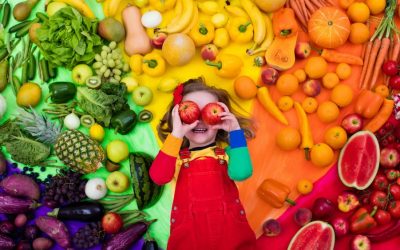
Is Veganism Just Another Fad?
Veganism seems to be on the rise as more people become conscious about the impact on their health and the state of the planet. It certainly seems to have gone beyond a fad.
There have always been health fads that have come and gone, but unlike others, veganism is here to stay. A study from the United Nations Environment Programme (UNEP) said, “Both meat and dairy [products], in general, require more resources and cause higher emissions than plant-based alternatives.”
The study shows how impactful being vegan can be and that is why I think it will become the new norm over the next 50 years.
Vegan diets need to become the norm in order to reduce the impact we have on the planet. It is something that needs to last and not just be another health movement.
Whether or not people think it’s a good idea, they should still try it to help the environment and see how it affects their bodies.
Over the past few months, I have had more people around me become vegan. It has become a very popular topic, especially for college-age students.
Kiel Lambson, a senior communication studies major from Santa Clara, said, “I thought I would get a lot of criticism for [becoming vegan], but people pay me a lot of respect because it does take self-control to go against the tradition you have lived your entire life.”
There are obviously certain challenges that come with becoming and staying vegan. I have been trying to work my way into a vegan diet since the end of January and it hasn’t been easy. I didn’t do it cold turkey, I have been trying to slowly integrate vegan options.
Although there are trials, there aren’t as many as I thought there would be. The hardest part was overcoming the mental hurdle of just doing it. There are so many vegan options everywhere now and it isn’t the way it used to be.
Lambson said his three main reasons for going vegan are physical health, environmental sustainability and reducing animal cruelty.
With all the talk of climate change and people trying to make a difference, diet can be one of the first places they should start.
The UNEP study said animal products use more water, land and resources to produce than plant-based products do. More than half of the world’s crops are used to produce animal products.
“The production of agricultural biomass, especially animal products, is and will remain an inefficient transformation process compared to most industrial processes,” said the UNEP.
With animal products being an inefficient production method, we need to find something better; something like a vegan diet.
Lambson said he has felt better since becoming vegan and he can lift heavier weights even though he has lost 15 pounds.
I don’t think everyone will become vegan right away, but I think people should try to start substituting animal products with plant-based ones.
A vegan diet is more efficient and better for the environment, so there isn’t any reason to not make the move.
Original source: https://dixiesunnews.com/

Mark Wahlberg Announces He’s Gone Vegan
The respected actor announced his change in diet on “Vs The Internet,” claiming that veganism has improved his health and made him “feel really good.”
Mark Wahlberg says that he “feels good” on a plant-based diet. The actor has been eating exclusively vegan food for his health.
In an episode of “Vs The Internet,” a Men’s Health YouTube series, the star of “The Fighter” (2010) answered reader questions. One fan asked “bro, do you fast?”
Wahlberg replied that “Normally, I never fast.” The video shows a photo of the 48-year-old’s physique. “In this particular shot, I was eating eight meals a day,” he added.
During that time, his eight meals a day consisted of “sometimes steak two times a day. Just eating like, chicken, fish, steak, pork. I found myself towards the end of the movie, six months in, having a leaky gut.” While he did a “bone broth fast,” Wahlberg has since cut animal products out of his diet.
“I’ve been eating just plant-based for about three weeks now,” he continued. “And I gotta tell you, I feel really good. It’s been nice.”
Plant-Based Diets And Gut Health
According to Marcelo Campos, MD, a lecturer at Harvard Medical School and primary care doctor at Harvard Vanguard, the animal product-heavy Standard American Diet (SAD) may be a key driver of leaky gut syndrome.
This is because SAD is “low in fiber and high in sugar and saturated fats,” he told Harvard Health. Campos added that eating a eat “a nutritious, unprocessed diet that includes foods that help quell inflammation (and avoids foods known to trigger inflammation).”
According to Harvard Health, foods that cause inflammation include red and processed meat, French fries and other fried foods, refined carbohydrates, soda, and margarine, shortening, and lard. Anti-inflammatory foods include leafy greens, tomatoes, berries, and nuts.
Wahlber also shared a video of his breakfast with his 14.5 million followers, which consisted of vegan of green juice, vegan pancakes, and Ezekial bread with butter.
Wahlburgers X Impossible Foods
The Academy and Golden Globe Award-winning actor co-owns the fast-casual burger chain Wahlburgers, which he opened with his brothers, chef Paul Wahlberg and actor Donnie Wahlberg in 2011. The Hingham, Massachusetts-based restaurant added the plant-based Impossible Burger to the menu in January 2018.
“Our customers have been asking for a delicious, meatless option and we are always looking for new ways to boost the Wahlburgers experience for our guests,” Paul said in a press release.
Wahlberg apparently started eating more plant-based food after the chain added launched the Impossible Burger. In March 2018, TMZ spotted him dining with NFL Patriots tight end Rob “Gronk” Gronkowski at the newly-opened Miami-based vegan restaurant, Planta.
Original source: https://www.livekindly.co/
Quit Red Meat to Reduce Heart Disease
Medical studies, involving 70 000 participants, show that swapping out red meat for plants can help to reduce the risk of heart disease.
IF WE ARE WHAT WE EAT, we are a whole lot healthier when they choose plants over animal products, according to a pair of new studies involving some 70,000 people.
The studies, presented this week at the American Heart Association’s conference on lifestyle and cardiometabolic health, show that getting more calories from plants, and less from red meat, reduces a person’s chances of developing potentially fatal heart conditions, including heart disease.
While the research is preliminary, the studies involve some 70,000 participants, suggesting that their findings may be applicable across broad groups of people. The research also reveals just how much of your diet you need to change to get the heart-health benefits.
EATING RIGHT
In the first study, researchers surveyed health and diet data from 37,000 Americans over the age of 50.
The data were drawn from the National Health and Nutrition Examination Survey, which spanned 1999 to 2014, and the National Death Index.
People who ate the most plant protein were 29 percent less likely to die of coronary heart disease compared to the general population, the study suggests.
The benefits didn’t stop at heart health, either: When people got more of their calories from plants than they did animal products, they had a lower risk of dying from any cause.
And it doesn’t take much to make a difference. Swapping in plants for just 5 percent of the calories you usually get from meat may reduce your odds of dying of any cause, including heart disease, by nearly 50 percent.
Exactly what food you swap meat out for matters, too, the researchers say.
“It isn’t enough just to avoid red meat, it’s also about what you choose to eat in place of red meat,” said lead study author Zhilei Shan, a postdoctoral research fellow at Harvard University.
That means nuts, legumes, and whole grains — plant-based protein sources, but ones that also contain healthy fats and antioxidants, are best, the data suggest.
Aside from not being peer-reviewed, the study does not take into account any changes people may have made after taking the survey — but the large sample and extended timeframe are pluses, the authors say.
LINKING PLANT PROTEIN AND HEART DISEASE
If swapping animals out for plants offers health gains, what are the risks of sticking with red meat?
In the second study, also preliminary, researchers analyze 26 years-worth of data from 43,000 men. The study participants completed surveys every four years from 1986 to 2010, answering questions about their diet and medical history.
They find that eating more meat is associated with higher instance of coronary heart disease.
Switching out one serving per day of red meat with nuts, legumes, whole grains, or even dairy, was linked to a 47 percent drop in risk of coronary heart disease.
Americans eat an average of 3.5 servings of red meat per week, according to study lead author Laila Al-Shaar, also a postdoctoral fellow at Harvard. And about a third of people eat red meat every day.
“Our findings suggest that even partial replacement of red meat with healthy, plant-based sources of protein could substantially reduce rates of coronary heart disease in the United States,” Al-Shaar said in a statement.
But, again, there are limitations to this study, too: The participants, aside from being all male, also belonged to a similar sociodemographic group, meaning the findings may not apply to a more diverse population.
EARTH BENEFITS, TOO
Making more conscious choices about what you put on your plate may not only hold benefits for your health, but for the planet’s health, too. Climate scientists warn about the dangers of animal agriculture, which stresses the environment and contributes to climate change.
A November 2019 study found that humans can benefit themselves, the planet, and animal welfare by making the kind of substitutions that the American Heart Association suggests in these studies. Beyond just red meat, surprising junk foods, like cookies and potato chips, also have a heavy carbon footprint, the 2019 research shows.
Whether your motivation is your own health or the planet’s, the evidence is mounting: red meat is out, plants are in.
As Inverse reported in 2019, education will be key to making these changes to your diet into a habit.
“It may help to educate people about nutrition and to offer much more plant-based meals in canteens to familiarize people with new food,” Laura Scherer, assistant professor at Leiden University in the Netherlands and lead author on the 2019 study, told Inverse. We can but try.
Original sources: https://www.inverse.com/
Veganism Goes Mainstream!
Veganism is more popular than ever. With the help of social media and vegan stars making headlines, more young people are opting for the lifestyle.
In early January, the Academy of Motion Pictures announced that plant-based food would be on the menu at this year’s Academy Awards Ceremony on Feb. 9th. This announcement came after the Golden Globes and Screen Actors Guild awards dinners both switched to vegan menus (prompted, at least in part, by vegan “Joker” star Joaquin Phoenix’s suggestion they do so), but before Google searches for “vegan Super Bowl snacks” increased by nearly 133{85424e366b324f7465dc80d56c21055464082cc00b76c51558805a981c8fcd63} compared to last year.
This new decade kicked off with “Veganuary.” The initiative, which had 250,000 participants in 2019, encouraged participants to go vegan for the month; and while for the past few years, trend forecasters and market analysts have predicted that vegan diets would continue increasing in popularity, this seems truly to be the year that, bolstered by cultural movements and celebrity endorsements, veganism has secured a sound space in the mainstream — long after January concluded.
Members of the vegan food industry, like cookbook author and blogger Sam Turnbull, have observed a shift in how veganism is regarded by the general population.
“For a long time, vegans were seen as weirdos,” Turnbull said. “But now, with a ton of amazing documentaries, books, and media it has become more widely understood that being vegan or eating a plant-based diet is beneficial to the environment, our own health, and of course the animals.”
She says that she thinks increased awareness of climate change is inspiring a lot of people — as well as the organizers behind major award shows — to move towards more plant-based options. This was reflected in a January statement made by the Academy of Motion Pictures.
“The Academy is an organization of storytellers from around the world, and we owe our global membership a commitment to supporting the planet,” said the statement. “For the past decade, the Academy has been committed to reducing its carbon footprint. For the past seven years, the Oscars show has had a zero-carbon imprint. We continue to expand our sustainability plan with the ultimate goal of becoming carbon neutral.”
Now with veganism becoming more popular, Turnbull said, the demand for plant-based products is rising and the quality and range is expanding. “If you can get a veggie burger that tastes the same as a meat-based one, but no one had to die for it, why wouldn’t you?”
As Brian Kateman reported for Salon in July, according to data from the Plant Based Foods Association (PBFA) and The Good Food Institute, the total value of the plant-based foods market is now approximately $4.5 billion. Notably, products like the Impossible Burger, a vegan beef patty alternative, are now on the menus at over 9,000 restaurants nationwide, including Burger King, Red Robin, and White Castle.

Hysterical Aussie pet owners want vets to put down their animals because of Coronavirus
A few days ago we heard that pet owners in China were asking vets to euthanise their pets because of fears of the Coronavirus infection. Some were even throwing their pets from high buildings to their deaths. People were scathing about the Chinese and how barbaric and ignorant their actions were. Now, we have the same thing happening in Australia.
Now, as panic grows in Australia over coronavirus, pet owners are asking vets to euthanise their animals even though the WHO has said that dogs are unable to spread the virus to humans.
Southern Cross Veterinary Clinic in St Peters, in Sydney’s inner west has received three calls in just two weeks from owners asking to have their pets put down.
Many are fearing that their animals will come into contact with the disease which could then infect them and their families.
However, the World Health Organisation said there is no reason for concern as the virus is unable to spread from dogs to humans.
Jonathan Ball, professor of molecular virology at the University of Nottingham, said: ‘There is no evidence that the human novel coronavirus can infect dogs and it would be incredible for a virus to make so many species jumps in such a short space of time.
Dr Sam Kovac who works as a vet at the Southern Cross Veterinary Clinic has refused to put down any animals
‘The last thing we need to do is create mass hysteria about the possibility of dogs being infected, and therefore potentially transmitting this virus when there is absolutely no evidence for this whatsoever.’
Dr Sam Kovac who works at the St Peters vet said despite the requests he has refused to euthanise anyone’s animal.
‘If you’d ask the same clients if they’d euthanise their grandma, they’d say no. Why have a pet and treat it differently to how you’d treat another family member?’ he told 10 Daily.
‘If my dog Clara had been infected with [COVID-19], I would isolate her, I would wear protective equipment while interacting with her and feeding her and isolate her for a few weeks.’
Dr Kovac also noted that the common coronavirus seen in dogs was not the same as the one causing a global epidemic.
He said he was worried that others may find other means to euthanise their pets because there were ‘unscrupulous’ people who would profit from it.
Original Source: https://www.dailymail.co.uk/

UK Farmers Condemn Trade Deal to Import Chlorinated Chicken
The trade deal would see the importation of food that is deemed unfit to farm in the UK. Farmers are calling the deal “unethical” and “insane”.
Farming leaders have said it would be “insane” to sign a trade deal that allows the import of food that would be illegal to produce in the UK, such as chlorinated chicken.
The National Farmers Union (NFU) president, Minette Batters, said allowing these imports would be “morally bankrupt”.
The NFU called for rules on minimum standards for imports to be made law.
Downing Street said food standards would be protected in any trade deal.
‘Bottom rung’
At the NFU’s annual conference on Tuesday, Ms Batters said: “This isn’t just about chlorinated chicken. This is about a wider principle.
“We must not tie the hands of British farmers to the highest rung of the standards ladder while waving through food imports which may not even reach the bottom rung.”
She said: “To sign up to a trade deal which results in opening our ports, shelves and fridges to food which would be illegal to produce here would not only be morally bankrupt, it would be the work of the insane.”
Ms Batters called for rules in the Agriculture Bill, which is currently going through Parliament, to ensure that food that would be illegal to produce here will not be imported.
In countries such as the US, chicken is sometimes washed in chlorine or other chemicals to remove harmful bacteria.
This practice was banned in the European Union in 1997 over food safety concerns.
The prime minister’s official spokesman said: “The UK has long been a world leader in food safety and animal welfare and we will continue to uphold our high food safety standards in all future trade deals.”
The EU will demand that the UK keeps its ban on chlorinated chicken as a requirement for a trade agreement with Brussels, the Guardian reported, citing documents it has seen.
The move is to protect European meat exports, but it could prove to be a potential stumbling block in any deal with the US.
Last month, US Treasury Secretary Steve Mnuchin said that the US wanted to agree a post-Brexit trade deal with the UK in 2020.
New environment secretary George Eustice drew criticism on Sunday after refusing to rule out chlorinated chicken and hormone-treated beef being imported from the US under a new deal.
But the EU believes that relying on chlorine at the end of the meat production process could be a way of compensating for poor hygiene standards – such as dirty abattoirs.
In 2020, the UK will be negotiating a trade deal with Brussels for when the Brexit transition period ends on 31 December.
According to reports in the Guardian newspaper, the EU will demand that the UK maintains a ban on chlorinated chicken as the price for a trade agreement with the bloc.
Mr Eustice’s predecessor, Theresa Villiers, had previously told the BBC that the current European Union ban on chlorine-washed chicken would be carried over into UK legislation after Brexit.
Original source: https://www.bbc.com/

Sugar-added Baby Food and Antibiotic Meat To Arrive in UK – US Trade Deal
UK consumers fear US trade deal due to the possible import of chlorinated chicken, but what else would the deal put on British shelves.
Nothing symbolises British fears of a standard-slashing US trade deal better than chlorinated chickens: those zombie birds, barely able to move, cluck or feed, stuffed with chemicals that force them to grow to unbelievable sizes, sitting in their own waste, covered in sores rather than feathers. At the end of their miserable life of confinement, they are washed in chlorine or a similar chemical to get rid of the bacteria that infect them.
In fact, the wash is believed to hide rather than eliminate some bacteria, potentially driving much higher rates of food poisoning in the US, not to mention the appallingly treated workers in the industry who suffer “rashes, burns, destruction of the eye tissue, difficulty breathing, and inflammation of the respiratory system” as a result of exposure.
But chicken is only the tip of the iceberg. Despite government claims, here are five other unpleasant foods that could make their way to our menus as part of a UK-US trade deal.
Antibiotic meat
Much US meat is produced on an industrial scale, with conditions as bad as those in the chicken sheds. In particular, hormones, steroids and antibiotics are regularly used to make animals bigger and faster, and to prevent them getting ill in the unnaturally close conditions in which they are kept. Many cows and pigs never see sunlight, walk freely or eat grass. Many of the chemicals used are bad for us too – antibiotic overuse is threatening to make these vital drugs useless, and to bring down a pillar of modern medicine. Another chemical, ractopamine, is regularly fed to industrially farmed pigs in the US, despite making the animals collapse, turn aggressive, suffer liver and kidney dysfunction, and even die. But it probably affects humans too, which is why not just the EU but also Russia and China have banned this dangerous chemical, as well as US pork that contains it.
GM foods
The majority of US processed foods contain genetically modified ingredients, unlike British food. The US is demanding a “science-based” approach to food. This sounds good, but in trade deals “science-based” is a shorthand for more genetically modified food and more intensive chemical use. It contrasts with the EU’s precautionary principle, which takes a cautious approach to health risks and bans foods where there’s a credible risk to health. In the US, the balance of proof works the other way, and there is a high barrier that has to be passed before “harm” translates into regulation. Lead paint, banned in most of Europe before the second world war, was not prohibited in the US until 1978. Boris Johnson and his lead negotiator to the EU have talked about the need for the UK’s approach to food standards to be “governed by science”. GM is coming this way.
More pus, more pesticides
US rules allow milk to have nearly double the level of somatic cells – white blood cells that fight bacterial infection – that the UK allows. In practice, this means more pus in our milk, and more infections going untreated in cows. Much US milk would be deemed unfit for human consumption in Britain. Vegans don’t escape unscathed, because the US allows far more pesticide residue on fruit and vegetables, and allows 72 chemicals banned in the EU, including some responsible for serious harm. That’s before we get to the truly horrific – the rat hair, insect fragments and excrement traces that the US allows in small amounts in food.
Unsafe baby food
Even baby food carries higher risks in the US. In Britain, baby food has special standards including a complete ban on artificial colours and E-numbers, very low maximum levels of pesticides and limits on added sugar. The US has no specific regulations for baby food. A recent test of baby foods in the US found that 95{85424e366b324f7465dc80d56c21055464082cc00b76c51558805a981c8fcd63} contained toxic metals, with 73{85424e366b324f7465dc80d56c21055464082cc00b76c51558805a981c8fcd63} containing traces of arsenic. While the amounts may be small, the lack of tight regulation on US baby foods, and the certainty that sugar is often added to toddler snack food, should cause deep disquiet.
All-American Stilton cheese and Cornish pasties
Britain currently protects certain foods to ensure they’re made to specific standards and to promote local farming and industry. Think Cornish pasties, Melton Mowbray pork pies, Scottish wild salmon and Stilton blue cheese. In trade talks to date, the US has “pressed the UK to move away from current EU approach on generic terms”. American companies would be able to produce Cornish pasties on a massive scale and sell them back to us. The US also wants to “eliminate … unjustified labelling” saying it unfairly discriminates against American foods and, incredibly, the administration “view[s] the introduction of warning labels as harmful rather than as a step to public health”.
These are not marginal concerns for the US – food is not an aspect of a future deal that Britain will be able to simply opt out of. It is central to US objectives that call for “greater regulatory compatibility to reduce burdens associated with unnecessary differences in regulations and standards” including “a mechanism to remove expeditiously unwarranted barriers that block the export of US food and agricultural products”. The US trade deal is a threat to our food standards and our farmers, and the US will not sign a deal that doesn’t have food standards in it.
As 2020 begins…
… we’re asking readers, like you, to make a new year contribution in support of the Guardian’s open, independent journalism. This has been a turbulent decade across the world – protest, populism, mass migration and the escalating climate crisis. The Guardian has been in every corner of the globe, reporting with tenacity, rigour and authority on the most critical events of our lifetimes. At a time when factual information is both scarcer and more essential than ever, we believe that each of us deserves access to accurate reporting with integrity at its heart.
More people than ever before are reading and supporting our journalism, in more than 180 countries around the world. And this is only possible because we made a different choice: to keep our reporting open for all, regardless of where they live or what they can afford to pay.
We have upheld our editorial independence in the face of the disintegration of traditional media – with social platforms giving rise to misinformation, the seemingly unstoppable rise of big tech and independent voices being squashed by commercial ownership. The Guardian’s independence means we can set our own agenda and voice our own opinions. Our journalism is free from commercial and political bias – never influenced by billionaire owners or shareholders. This makes us different. It means we can challenge the powerful without fear and give a voice to those less heard.
None of this would have been attainable without our readers’ generosity – your financial support has meant we can keep investigating, disentangling and interrogating. It has protected our independence, which has never been so critical. We are so grateful.
As we enter a new decade, we need your support so we can keep delivering quality journalism that’s open and independent. And that is here for the long term. Every reader contribution, however big or small, is so valuable.
Original source: https://www.theguardian.com/
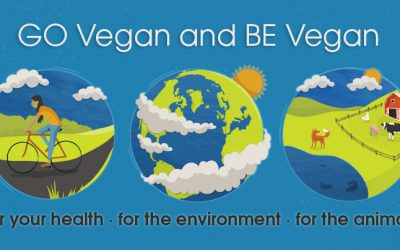
Can you really help the planet by going vegan?
Making a conscious choice to switch to a vegan diet could spur people to actively lessen their impact on the planet and the environment.
Going vegan is undoubtedly beneficial for the planet. In fact, the benefits of a vegan diet go far beyond improved health and wellbeing. Firstly, going without animal products is one of the simplest ways to reduce your environmental footprint.
Furthermore, a sustainable vegan diet can also help fight climate change and support the planet’s biodiversity. With increasing concern over the effects of climate change, it’s now becoming more important than ever to investigate how people can sustain both their wellbeing and the planet.
How does a vegan diet benefit the planet and general wellbeing?
While the decision to eat strictly plant-based foods is a personal choice, a vegan diet is all about adopting a healthier lifestyle. Here are some of the more common reasons for going animal-free.
Improved wellbeing
For some, going vegan is all about improving their physical health and wellbeing. You may have already heard of campaigns like “Veganuary” or “Meatless Monday” – so, what’s that all about? Simply put, going meat-free carries many health benefits that can also carry over to the environment.
There has been extensive research conducted into the finding of the health benefits of eating meatless. These studies found a reduction in chronic illnesses such as heart disease, diabetes, dementia, mental health issues such as anxiety and depression, and obesity.
Animal welfare
Animal cruelty is one of the top reasons why people choose to go vegan. There is a greater awareness and therefore desire to seek more ethical ways of living. The torment of factory-farmed animals or animals used for product testing has gained more traction in the media, spurring many people on to choosing vegan diets and products.
Better for the planet
Environmentally, veganism is better for the planet because it reduces a person’s carbon footprint. There are huge costs involved in industrialized animal farming. The UN reports that meat and dairy production account for 14.5{85424e366b324f7465dc80d56c21055464082cc00b76c51558805a981c8fcd63} of all man-made greenhouse gas emissions. If everyone in the world went vegan, this would mean a potential 70{85424e366b324f7465dc80d56c21055464082cc00b76c51558805a981c8fcd63} drop in food-related emissions.
How to improve your wellbeing with a vegan diet?
For meat-eaters, the switch from meat to meat-free can be an overly ambitious one. Therefore, it isn’t reasonable to expect to cut meat from your diet altogether – not at first, anyway. People can improve their overall health and wellbeing as well as reduce their carbon footprint by simply eating more plant-based foods.
Eliminating meat is a gradual process, and can be made easier by slowly reducing meat portions in meals or replacing meat altogether with meatless meals. In time, people can then eliminate animal products from their diet completely, switching to strictly plant-based foods and products.
Shifting from an acidic meat-based diet to an alkaline-rich vegetable diet can lower weight and cholesterol, improve gut health, and increase energy levels. In fact, plant-based nutrition programs carried out among corporate American companies were found to reduce depression and anxiety and led to increased levels of productivity among workers.
While turning to a vegan diet means eliminating certain foods, it also provides the perfect opportunity to introduce a whole host of nutritious flavors into your life. From wholesome grains to nutritious fruit and veg, aromatic herbs, and health-boosting spices.
Final remarks
There’s no disputing that eating fruits and vegetables can make a significant difference in mental and physical health as well as a person’s overall wellbeing. People can adopt this plant-based diet by reducing animal products or eliminating them altogether and reaching for meat-free or dairy-free alternatives instead.
Plant-based diets have been found to be effective in promoting quality of life and general health. In addition, a vegan diet has been proved to be effective in weight management and carries the potential to improve diabetes control and dietary patterns. For people concerned about the ethical and environmental ramifications of animal products and consumption, a vegan diet can also be a sustainable solution.
Original Source: https://www.dailyinterlake.com/article