
VEGAN HEALTH BENEFITS – OLDER ARTICLES
There are many benefits becoming a vegan, but don’t just believe us – read what the experts are saying below. If you aren’t vegan already, you will be after reading these articles!
Eating For the End of the World
Your diet has a far larger impact on the environment than you know. Meat, dairy and unsustainable farming are draining the earth.
There is no silver bullet to solving climate change. In a recent New York Times story about the rate of climate change acceleration, the secretary-general of the World Meteorological Organization said, “The only solution is to get rid of fossil fuels in power production, industry and transportation.” We can’t just stop our reliance on fossil fuels tomorrow, so what can we do in the meantime?
I recently read Jonathan Safran Foer’s nonfiction book “We Are the Weather,” which is about the link between climate change and diet. His book, while well-written and filled with eye-opening data about the environmental effects caused by our dietary choices, left me feeling hopeless. His solution is something we’ve all heard before: to eat less meat. I was skeptical that could ever happen as a collective world, so I became curious about the ways we can slow climate change besides “eating less meat.”
But after speaking to a number of experts about the role of our diet in climate change, one thing became clear: Nothing is as impactful as reducing your meat consumption. If you care at all about slowing climate change, it’s important to minimize the amount of meat you’re eating. Here’s how to do it and why making these changes are feasible. Everything might not be as hopeless as it appears.
Reducing your consumption of animal products really can help slow the effects of climate change. Here’s how.
If you look at the meat you’re consuming strictly from an environmental perspective, one thing becomes clear: not all meat has the same footprint.
“There are big differences in the emission intensities between ruminant animals ― beef being the dominant one in the U.S. ― and monogastric animals like pork and chicken,” said Martin Heller, a research specialist at the University of Michigan’s Center for Sustainable Systems. “The amount of food you get per unit of feed to raise those animals is one contributor. Another big contributor for ruminant animals is enteric methane, a byproduct of their natural digestion and a major contributor to greenhouse gas emissions.” Cow burps, as enteric methane is also known, are a huge threat to us all, because truth is stranger than fiction.
Millions of animals are raised each year specifically for food. And while monogastric animals do have an impact on greenhouse gases, we focus our attention on cows because they create the largest impact. “When you’re talking about climate change, the best thing people can do is eat less beef, because that has the single biggest impact by far of any food item,” said Sujatha Bergen, the health campaigns director of the Natural Resources Defense Council.
How to make an impact with every meal you eat.
Here’s the biggest surprise: You don’t have to become a vegetarian or vegan to make a change. “We’ve estimated that if Americans were to cut a quarter-pound of beef from their diet a week ― that’s the average of a hamburger ― it’d be like taking 10 million cars off the road for a year,” Bergen said.
The innovative Climate Conscious Dining campaign at Duke University is encouraging students to think about small changes they can make in their diet. “We’re intentionally making the connection between the food we eat, climate change and our health,” said Marcus Carson, the assistant director for sustainability and quality control at Duke Dining. “It’s not just saying, ‘eat less meat,’ but talking about its health implications and making it more approachable.”
It may feel highly unlikely that Americans could ever collectively consume less meat, but changes in dietary habits regarding animal products are already happening. Once a staple of the American kitchen table, milk consumption has been decreasing steadily since the 1970s, with dairies closing up shop in large numbers, partially due to changing tastes and a plethora of appealing substitutes in plant-based milks.
“It’s absolutely possible for people to fight climate change with their forks,” Bergen said. “It’s one of the most accessible ways, as well. There’s an enormous opportunity to make a small shift that ― if aggregated over the entire U.S. population ― can make a big difference.” One of the roadblocks is asking people to give up consuming food they love. But restaurants are ramping up plant-based options, making it easier than ever before.
Fast-casual chain Panera announced last month that it aims to have plant-based options on 50{85424e366b324f7465dc80d56c21055464082cc00b76c51558805a981c8fcd63} of its menu by 2021. Part of that is a result of customer demand. “In the past several years, we’ve heard our guests say, ‘We want more plant-based options,’” said Sara Burnett, VP of wellness and food policy at Panera. “In particular, 47{85424e366b324f7465dc80d56c21055464082cc00b76c51558805a981c8fcd63} of our guests said they want to decrease their consumption of meat.”
Panera’s customers cited their own health, climate change and animal welfare as reasons to make that choice. Those beliefs may have led to the brand’s most successful menu item launch in years: the grain bowl. Burnett said 25{85424e366b324f7465dc80d56c21055464082cc00b76c51558805a981c8fcd63} are being ordered without any animal protein. One person opting not to eat meat at Panera won’t have an effect on climate change, but Panera has 10 million customers each week. If they begin opting out in greater numbers, ordering dishes that just happen to not include meat, the effects will be felt in the restaurant’s supply chain.
Fast-casual chain Modern Market has seen Beyond Meat sausage sell briskly when included on creatively topped pizzas, and the plant-based entree Buddha Bowl become a top seller, according to chef and director of culinary operations Nate Weir. The restaurant’s treatment of animal protein is even more progressive. “It’s been our ethos to think about protein as a compliment ― not the star of the plate,” Weir said. “Our [seasonal] pizza Summer Heat included fresh-shucked corn and a teaspoon of bacon as a complementary flavor.” Considering the chain’s growing popularity, it appears to be an opinion its customers agree with.
If Americans reduce their meat consumption by one hamburger a week, real differences can be made with regard to climate change. We make about 200 decisions about food per day. The choices we make at our next meal will help determine our future.
Original source: https://www.huffpost.com/
A Quick Guide to a Healthy Vegan Diet
Planning on going vegan? Or maybe you’re just curious about veganism? Either way, here is a list of ways to stay healthy on a vegan diet.
Whether for personal health or for harmony with all living creatures, the benefits of a vegan diet are starting to sweep across the world. When done right, a plant-powered diet can bring a ton of health and wellbeing benefits including; cutting down your waistline, improving your blood sugar, reducing the risk of heart disease, and of course – giving you scores more energy to play with. It’s super important that newbies learn how to start a vegan diet right in order to find better ways into balance and to ensure they are filling up with alternatives that can fall under the header of missing nutrients of a vegan diet. These top tips will help you to embrace your plant-based party without the risk…
The number one rule of any diet in the modern world seems to be; ensure your daily intake is all centered around the star of the show – the vegetable. For a healthy diet, we are supposed to have at least five portions of fresh fruit and vegetables a day and for vegans its extra important to embrace all that veg. Vegetables are an essential source of your daily intake because they are loaded with vitamins and minerals, they are high in fibre, and they keep your calorie count ticking.
Seek Alternative Sources of Calcium

Calcium is the food source that is good for your bones and builds strong teeth, it is often found in dairy. As a vegan diet cuts out all dairy, its time to shop around and find a different source. Fortunately, there are tons of amazing tasting foods that are coated in calcium. Tahini, collard greens, kale, broccoli, almonds – all these foods are full of calcium and will contribute to strong bones and teeth without compromising your compassion.
Drum Up Extra Vitamin D

Vitamin D is a must for any healthy balanced diet to bring out the best in you. While fish and fortified dairy seem to be where non-vegans get their kicks, for vegans its time to turn to the fresh orange juice and dairy substitutes like almond milk. In the summer months, being vegan is a great excuse to get outside more as the sunlight is sure to rain down those much-needed vitamin D rich rays for your skin to soak right up.
Hurrah for Whole Grains

If you want to load up on extra iron and Vitamin D its time to cut out the white bread, rice and pasta and make way for whole grains. Whole grain pasta, bread and rice bring a bounty of benefits to your vegan diet, ensuring that you feel fuller faster and that the fiber you are putting in your body is helping every nook and cranny.
Say Oh Yeah to Omega-3

Omega 3’s are your hearts favorite friend and are most often found in fish. As a vegan diet steers clear of all animal products, salmon is sure to be off the menu. Instead, look for vegan-friendly foods that are enriched with omega’3’s. Often found in walnuts, flaxseed, soy-based foods like tofu, and rapeseed oil, it’s a good idea to weave these into your diet plan so you get the benefits of a strong beating heart.
Steer Clear of Processed

Jut because its vegan doesn’t mean it’s healthy – the vegan market is saturated with junk food too. Processed foods in the vegan world can contain gluts of margarine and palm oil and other such saturated fats. Of course, it’s fine to binge out on some vegan junk food once in a while but you should still treat it as such – junk food. It’s worth considering swapping out margarine for olive oil and seeking alternative snacks that make use of healthy wholesome ingredients.
Are you a new vegan or an old hand? What tips or challenges do you have to share when it comes to answering the question of how to start a vegan diet?
Original source: https://tinyrituals.co/

Disney to Introduce Plant-based Burgers at Theme Parks.
The entertainment giant is said to have partnered with Impossible Foods to bring plant-based burgers to its theme parks and cruises.
This week, plant-based startup Impossible Foods announced its partnership with Disney Parks, Experiences, and Products which will bring the Impossible Burger—Disney’s “Preferred Plant-Based Burger”—to multiple locations across the Walt Disney World Resort, Disneyland Resort, and Disney Cruise Line. “We’re excited to add more items featuring the Impossible Burger to our menus,” Chef John State, Culinary Director at Disneyland Resort, said. “We’re always looking for ways to bring more flavor, innovation, and creativity to the Disney dining experience and we’re delighted to include Impossible Foods in new dishes that our guests and fans are sure to enjoy.”
To kick off the partnership, on February 28, Disney will showcase several new items made with the meatless burger at Disney California Adventure Food & Wine Festival. “We are thrilled to be working with Disney,” Impossible Foods President Dennis Woodside said. “The millions of park-goers who visit Disney Parks and Resorts and sail on Disney Cruise Line each year—including those who are reducing their impact on the environment by eating less meat—will now be able to order the Impossible Burger and other delicious dishes made with our plant-based meat. We look forward to the exciting opportunities ahead with this new relationship.”
The new partnership expands on Disney’s commitment to add more plant-based options across its properties. In October, Walt Disney World added 400 new plant-based dishes to all major and quick-service restaurants, an initiative that will expand to Disneyland Resort in California in spring 2020.
Original source: https://vegnews.com/
Vegan Prepping: Planning Ahead for possible outbreak of Coronavirus

Jamie Oliver loses 2 stone by making 2 changes
No drastic diets required. That’s the word from Jamie Oliver aka The Naked Chef who has lost 26 pounds recently without going on a drastic diet. Instead, Oliver made two simple dietary changes, according to UK outlet, Express.
“I lost 12 kilos quite quickly and I didn’t do it through not eating,” he explained in the outlet.
First, he traded meat for nuts to meet his fat and protein intake.
“They make you half as likely to have a heart attack. Feed them to your kids as well,” he explained in a radio interview, according to Express.
Oliver may be onto something: nuts contain healthy fats, fiber, and protein, a mix that helps keep you full for longer periods of time. Plus, the nutritious food can help decrease risk of heart disease.
Of course, you can overdo it, so it’s important to be mindful of portion size if weight loss is your goal. Generally, a handful of nuts per day is a reasonable amount.
Recently, Oliver has encouraged people to eat more plant-based meals. The chef released a new cookbook, Veg, which is dedicated to making meat-free meals that even the most devout steak lovers will enjoy. Oliver also hosts a cooking show, Meat-Free Meals, in the United Kingdom.
And his second major change? Cutting back on alcohol.
“Your average Brit drinks booze. I’m not telling you what to do, but my rhythm now is only to drink at the weekend,” he said.
Even moderate drinking can increase your daily caloric intake by up to 400 calories.
Although these strategies worked for Oliver, it’s always best to do what works for you.
“It’s about consciousness and knowing you’re doing something and being more mindful,” said Oliver.
Original Source: https://www.menshealth.com/
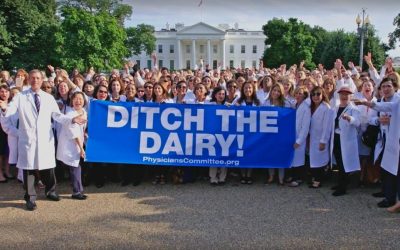
Consuming Cow’s Milk May Increase the Risk of Breast Cancer
Higher intakes of cow’s milk are associated with an increased risk for breast cancer, according to a new study funded by the National Cancer Institute, National Institutes of Health, and the World Cancer Research Fund and published in the International Journal of Epidemiology.
Researchers followed 52,795 women who were part of the Adventist Health Study-2 cohort and found that women who consumed 1/4 to 1/3 cup of cow’s milk per day had a 30 percent increased chance for breast cancer.
One cup per day increased the risk by 50 percent, and 2-3 cups were associated with an 80 percent increased chance of breast cancer. Replacing dairy milk with soy milk was associated with a 32 percent reduced risk of breast cancer. The authors suggest caution with the current government recommendations to consume three glasses of milk per day.cow’s Milk
The fact of the matter is that cow’s milk is for her calf and humans are the only species who continue to drink the mammary secretions of another animal long after they have been weaned from their own species breast milk.
Original Source: PCRM

Coronavirus Big Wake Up Call Against Animal Exploitation
Conservationists are arguing in favour of a total ban on the wildlife trade. This comes after the coronavirus outbreak is linked to China’s wildlife markets.
An article appeared in The New York Times last week in response to the growing threat of the new coronavirus strain. The piece quotes conservationists who say we should consider a total ban on the wildlife trade in order to stop future pandemics. It’s believed that the latest coronavirus outbreak began at a wildlife market in Wuhan, China. Experts are now pointing to the pangolin, an endangered animal – and also the most trafficked animal in the world – as the likely source.
This is not the first time a coronavirus strain has crossed the species barrier and affected the human population. Most of us recall the SARS epidemic of 2003 – that was also a coronavirus which jumped to humans from an animal called the palm civet. And then there was the MERS epidemic of 2015 that originated in the Middle East – and came from camels.
Zoonotic diseases, or diseases that can leap from animals to humans, are not uncommon and they don’t always come from exotic animals. Many come from the animals we regularly farm and eat. The 1918 influenza pandemic, or the Spanish flu, infected more than 500 million people and killed between 40-50 million worldwide. It is now commonly believed that the disease originated in birds. When the H1N1 virus, the same strain that caused the Spanish flu, showed up again in 2009, it first emerged in pigs. Tuberculosis, mad cow disease, and pig MRSA also came from animals exploited for food.
And the situation is only getting worse. Because, thanks to the advent of factory farming, billions of animals are routinely kept in crammed, filthy conditions that cause them extreme stress. This abhorrent practise creates the perfect breeding ground for new diseases to thrive. Add to that the fact that we regularly feed factory-farmed animals low-doses of antibiotics and we really have a recipe for disaster.
Scientists have been cautioning us about the dangers of all this for years, but their warnings have gone unheeded. And now it seems the proverbial chickens might just be coming home to roost.
The fact is the way we currently treat the animals we exploit and slaughter for food is not only cruel and unethical, it’s also really, really stupid. Nearly 80 percent of all antibiotics produced in the United States today are actually fed to animals on factory farms. So, behind every piece of bacon we fry up or chicken breast we grill lies the potential for the next great health crisis – or an illness such as antibiotic-resistant salmonella that can kill you.
Banning the wildlife trade is an excellent start to try and safeguard the health of Earth’s human population, but if we’re really serious about stopping zoonotic diseases from becoming global pandemics, we need to rethink what we eat and how we treat the animals we exploit for food. The clock is ticking and soon we’ll be out of time.
Original source: https://veganista.co/

Thai Animal Agriculture Firm Launch Plant-Based Options
Thailand’s biggest animal agriculture firm, CPF, find themselves looking to plant based products as the demand for meat-free options grows.
Thailand’s largest agribusiness firm, Charoen Pokphand Foods Pcl (CPF), is launching its own line of plant-based meat substitutes this year in response to the growing customer demand of animal free foods, a top executive announced on Tuesday.
CPF has historically focused on animal products but Asia’s meat industry has been hit hard by the outbreak of African Swine Fever forcing pork prices to rise dramatically, that together with the global trend of consumers seeking alternatives to animal products, is fuelling the market for plant-based.
Chief Executive Prasit Boondoungprasert told Reuters Bangkok in an interview that the products would be sold first in Thailand this year, before being rolled out across the rest of Asia. Mr Prasit, who took over as CEO in July last year, said introducing meat substitutes was part of the firm’s strategy to expand its food business, including ready-to-eat meals and pre-cooked meats.
CPF, which has operations in 17 countries and exports to 30, is planning capital expenditure of 20 billion baht ($662.47 million) this year, down from 30 billion baht last year.
A recent report showed that 53{85424e366b324f7465dc80d56c21055464082cc00b76c51558805a981c8fcd63} of Thai consumers want to reduce their meat consumption and 45{85424e366b324f7465dc80d56c21055464082cc00b76c51558805a981c8fcd63} are aiming for a vegetarian or vegan diet. Mr Prasit stated in the interview: “There is a global trend of ‘flexitarians’ – people who have vegetarian meals once or twice a week. Restaurants will want to offer this option to their diners.”
Original source: https://vegconomist.com/
Nine Debunked Myths about Veganism
Its easy to get tricked into believing these common myths about plant-based diets, but most of them do not hold up to scrutiny.
There are plenty of myths surrounding a plant-based diet, but a growing body of evidence shows that vegan food can be diverse, nutrient-dense, and healthy. These are some of the most common misconceptions about a plant-based diet and vegan nutrition debunked once and for all.
1. A Plant-Based Diet Is Restrictive
What can you eat on a plant-based diet? In short, almost anything. Meat-based recipes are adaptable, and many use whole plants as replacements for animal products.
Mushrooms, jackfruit, legumes, and pulses are all popular plant alternatives to meat. With careful seasoning and preparation, these whole foods can replace bacon, pulled pork, beef, mincemeat, and more. Beans and lentils are ideal ingredients for curries and stews. They are extremely high in protein and fiber, low in fat, and a healthy source of B vitamins.
Fiber and nutrient-dense foods—like pulses, and cruciferous vegetables—are also some of the most versatile. They can be eaten as they are, or incorporated into traditionally meat-based foods like lasagna, burgers, and stews. In addition to whole foods, there are also plenty of ready-made versions of animal foods. These alternatives range from breadcrumbed tofu chunks to hyper-realistic vegan beef patties.
Thanks to the recent boom in vegan products, ready-made plant-based alternatives, including milk, cheese, and meat, are even more widely available than ever before. Plant-based meat is particularly popular with consumers—including meat-eaters, vegans, vegetarians, and flexitarians.
Vegan meats are not just for those who totally abstain from animal products. According to Nielsen data, 98 percent of consumers who regularly buy meat-alternatives also purchase conventional meat.
2. Plant-Based Food Isn’t Healthy
The government recommendation of five portions of fruit and vegetables per day is familiar to most people. In the UK, the recommendation is now ten portions per day. However, research commissioned by Dole Packaged Foods Europe reported that just 75 percent of Brits managed to reach five portions. Additionally, nearly 50 percent regularly fail to consume any fresh produce at all. There is a growing body of evidence that suggests if people do manage to consume fresh produce, it can have a significant impact on their health.
According to a study review conducted by Imperial College London and reported by the BBC, consuming just 200g—approximately three daily portions—of fresh fruit and vegetables could reduce health risks. The risk of cardiovascular disease could be reduced by 13 percent, risk of cancer by 4 percent, and risk of premature death by 15 percent.
When consuming the recommended ten portions, the risk was mitigated by 28, 13 and 31 percent respectively. According to PCRM (Physicians Committee for Responsible Medicine), a doctor-led nonprofit organization, the plant-based diet as the healthiest choice.
3. A Plant-Based Diet Isn’t Suitable For Children
The raising of children on a vegan diet can be a controversial subject. But once again, a growing body of evidence suggests that a well-planned, nutritious plant-based diet can meet the nutritional requirements for people of all ages.
A 2018 article published by the National Center for Biotechnology Information (NCBI) and titled “Vegan Nutrition for Mothers and Children: Practical Tools for Healthcare Providers” says: “Vegan diets can meet nutrient requirements and can be an appropriate choice for all life stages, including pregnancy, lactation, infancy, and childhood, provided that they are well-planned.”
Several plant-based celebrities and well-known vegans have discussed the raising of plant-based families. “Keeping Up With the Kardashians” star Kim Kardashian West is raising her four children on a mostly-plant-based diet. The star also recently shared a photograph of her refrigerator, which included Beyond Meat products and plenty of fresh produce.
A growing number of schools are now offering students meatless meals in an effort to both mitigate climate change and improve student health. New York City’s public schools all offer meatless-Monday menus, while the Los Angeles school district is also exploring plant-based options. Dedicated vegan schools like the Calabasas, California MUSE school are fully vegan.
The Physician’s Committee for Responsible Medicine provides nutritional advice tailored to different age groups. In general, PCRM says that the benefits that adults experience from adopting a vegan diet also apply to children and young people.
4. You’ll Be Deficient In B12
Vitamin B12 is an essential part of a healthy diet, and it keeps the nerve and blood cells healthy. Deficiency is serious and can cause anemia, memory loss, and fatigue. B12 is synthesized by soil bacteria and is almost exclusively present in animal products.
According to Dr. Michael Greger, the founder of NutritionFacts.org and author of the best-selling “How Not to Die” (2015), B12 is critical to any healthy diet. The Dietary Guidelines for Americans suggest meeting nutritional needs through food, where possible, including fortified items.
Fortified plant-based products such as nutritional yeast, cereals, and vegan milk are all good sources of B12. However, Dr. Greger suggests that taking a B12 supplement is the most efficient way to ensure a healthy dose. The NCBI suggests that all vegans—and those following a primarily plant-based diet—take supplementary B12 in addition to healthy foods.
Recently, scientists discovered a source of bioactive vegan B12 in water lentils. The aquatic plants, also known as duckweed, grow in bodies of still freshwater. Florida-based startup Parabel has created a water lentil-based powder called Lentein that contains approximately 750 percent of the RDA of B12. The company plans to produce plant-based milk that will also be high in B12.
5. Plant-Based Food Is Low In Calcium
Calcium is important for bone health, heartbeat regulation, and effective blood clotting. Deficiency is particularly common in menopausal and post-menopausal women. This is why the RDA is higher for people who have had periods aged 50 and above—from 1,000 milligrams to 1,200 milligrams.
“Every day, we lose calcium through our skin, nails, hair, sweat, urine, and feces,” says the National Osteoporosis Foundation (NOF). “That’s why it’s important to get enough calcium from the food we eat. When we don’t get the calcium our body needs, it is taken from our bones. This is fine once in a while, but if it happens too often, bones get weak and easier to break.”
“Calcium requirements can be met in a vegan diet by choosing plant foods rich in calcium,” says NCIB. “These include most green leafy vegetables low in oxalates, cruciferous vegetables, sesame seeds, almonds, fortified plant-based milks and plant-based yoghurts, soy, tempeh, calcium-set tofu, and dried figs.”
According to PCRM, dark leafy greens and legumes are among the healthiest sources for calcium. Soybeans, including soya milk and tofu, are a good source of calcium. PCRM says that half a cup of calcium-set tofu can contain up to 861 milligrams of the mineral. According to Healthline, almonds have the highest calcium content of all nuts.
Calcium is also not the only essential mineral for healthy bones. And ensuring B12 and vitamin D intake is optimal will also positively affect bone mineralization.
6. A Plant-Based Diet Is Low In Iron
In general, myths concerning vitamin deficiencies on a plant-based diet are commonplace. But the reality is that anyone can experience deficiencies if they are not following a complete, well-rounded diet.
In the UK, the National Health Service (NHS) has previously said that malnutrition affects millions of people. According to the Centers for Disease Control and Prevention, almost 10 percent of Americans have a nutritional deficiency.
Iron deficiency is the most prevalent nutritional deficiency, and it affects more than 25 percent of people worldwide. Extreme iron deficiency can cause anemia, which can lead to other related health issues such as heart conditions, and impact pregnancy and child development.
Absorption levels can vary, even for those consuming plenty of iron-rich foods. Soil erosion and rising C02 levels have actually reduced the density of minerals and vitamins in certain produce. And intensive agricultural methods have reduced the nutritional value of many foods.
According to NCIB, a well-rounded plant-based diet is typically higher in iron than that of an ovo-lacto vegetarian or meat-eater. Lentils, cannellini beans, potatoes, tofu, spinach, and hemp seeds are all rich in iron. Once again, supplements are a useful way for people of all diets and lifestyles to boost their levels.
7. You Won’t Get Enough Protein
A plant-based diet can contain more than enough protein, including for people with active lifestyles. Pulses, legumes, nuts, green peas, and even broccoli contain healthy protein. Broccoli also contains vitamin C and zinc—both of which can bolster your immune system.
Dark green vegetables, including kale and spinach, contain even more protein than broccoli. And one cup of kale contains approximately 2.5g of protein. Pulses like chickpeas and other beans are particularly effective when combined with whole grains.
“A 100-gram serving of cooked chickpeas provided 18 percent of the daily value for protein, 30 percent of the daily fiber, 43 percent of the daily folate intake, and 52 percent of the trace mineral manganese,” plant-based cardiologist Dr. Joel Kahn writes for LIVEKINDLY.
Tofu, tempeh, edamame, and other soy products are all high in protein. Fortified soya milk is also a great source of protein, especially when consumed regularly throughout the day. Fermented soy products, including tempeh, are particularly nutritions and promote healthy gut bacteria.
The popular 2019 documentary “The Game Changers” focused on the benefits of plant-based protein for high-performance athletes. Martial artist and special forces trainer James Wilks is filmed as he discusses performance and diet with other athletes. According to Wilks, many people are adopting plant-based and plant-forward diets for better nutrition.
8. Plant-Based Is Expensive
Despite the inherent privilege of choice, adopting a vegan diet can be extremely affordable. Depending on location, many of the core ingredients needed to maintain a healthy, well-balanced diet are available at a low cost. Products such as legumes, pulses, and grains, can all often be purchased dried and in bulk.
Fresh fruit and veg, depending again on location and availability, can also be relatively affordable. Seasonal produce, particularly when compared with fresh meat, can often be purchased at a lower cost. It will contain more nutrients—and have a lower carbon footprint—than unseasonal produce.
Supply and demand dictate the price of modern, luxury vegan products such as milk and cheese. While some of these are still relatively expensive, many have become more accessible as demand has grown in the last year. Various supermarkets are providing more own-brand and private label options, and certain companies are tailoring lines specifically for their affordability.
When vegan producers are more present in the global meat market, the cost of production and the cost of purchase will both go down. According to Liz Specht Ph.D., a senior scientist at the Good Food Institute (GFI), price parity between vegan meat and animal-based meat could be coming soon.
“Industrial animal agriculture has been operating and optimizing at a global scale for decades,” Specht explained in a post on GFI’s website. “Yet it is still inherently more efficient to make meat directly from plants rather than feeding our crops to animals and then eating a part of the animal.”
9. Plants Aren’t Suitable For Animals
According to research gathered by American animal food producer Hill’s Pet, dogs possess more omnivorous traits than carnivorous ones. Much like humans, this means that dogs can eat meat-free food and live in good health.
There are also many risks associated specifically with animal-based pet food. Wild Earth, a 100 percent vegan company, says that many major dog food brands use meat from dead, dying, diseased, and disabled animals. Some dog food products have even been found to contain pentobarbital, a drug used to euthanize livestock.
In contrast, nutritionally sound, plant-based animal food can be beneficial to animal health. According to a study published in the online journal Plos One, 35 percent of owners with meat-eating animal companions were interested in switching them to a vegan diet.
“Every day there is new information about the link between a plant-based diet and disease prevention,” said Kathy Kramer, Medical Director at Vancouver Animal Wellness, on plant-based dog food brand Virchew’s website. “Why would it not be the same for our beloved dogs who are prone to many of the same diseases?”
Studies also show that animal-based pet food has the same impact on the planet as other animal products. According to research also published by Plos One, pet food is estimated to make up around 25 percent of the overall environmental impact of meat production.
Original Source: https://www.livekindly.co/
Converting Dairy Farms into Oats Oasis
Some US dairy farms will be converted into oats fields to assist with environmental efforts including protecting bio-diversity and biodynamic ecosystems.
Vegan yogurt brand Hälsa Foods is helping U.S. farmers transition away from dairy with oats.
The founders of the oat milk yogurt company, Helena Lumme and Mika Manninen, want to help U.S. dairy farmers grow organic oats the Scandinavian way.
They already have their first convert: High Meadows of Hoosick Farm in Upstate New York. Home to 200 cows, the farm has 300 acres of prime organic land, which will now be used to grow oats instead.
A team of researchers, Scandinavian organic farmers, and environmental experts will assist the farm in the transition process. Hälsa Foods is also putting together a guide book to help more farms make the switch.
Farmers Eric and Jamie Ziehm and Sam Cottrell are “excited to get started” with the conversion. They said in a joint statement, “our goal is to build a biodiverse and biodynamic eco-system that has the ability to regenerate its resources.”
They added, “we hope this will have a positive impact and also inspire our fellow farmers who are facing many challenges today.”
Struggling Dairy
The U.S. dairy industry is struggling. Earlier this year, Borden Dairy Co. became the second major milk producer to file for bankruptcy in the space of a few months. In Wisconsin, two dairy farms go out of business every day.
The industry is suffering for a number of reasons. Raw milk prices are rising, consumer demand is dropping, and there’s more competition than ever from vegan milk brands. Sales of oat milk in the U.S. are rising. In 2017, the market was worth $4.4 million. In 2019, it was worth $29 million.
Why Choose Oat Milk?
According to Lumme and Manninen, oats are one of the most environmentally-friendly ways to make plant-based milk; they provide soil erosion control and they don’t require that much water to produce.
Hälsa Foods’ oats are grown in Scandinavia with a “zero water footprint,” says a press release. But the brand wants more suppliers in the U.S., hence its new program.
“We are currently importing our organic oats from Scandinavia because we cannot find the quality that meets our standard in the United States,” they said in a statement. “At the same time, U.S. dairy farms are struggling due to slumping milk sales. So we thought, why not come up with a solution that benefits both of us and our planet?”
Original source: https://www.livekindly.co/

Plant-Based Alternatives, Not So “Alternative” Anymore.
The fast food and hospitality industries are racing to keep up with the demand for plant-based alternatives as consumers turn their backs on meat and dairy.
So what does Dunsford make of the Moving Mountains hot dog? “That’s surprisingly good,” he says, fighting an admirable battle to keep ketchup out of his thick, reddish-brown beard. “It tastes like a commodity product, a cheap product, the texture is a little bit too hard, but for me if this was a street-corner product it replaces it quite easily.”
Praise then, but qualified. Dunsford can see scenarios in which plant-based simulacra can fill a gap – and for the planet that has to be so – but the notion that they can replace the real thing entirely is a stretch too far. “For me as a meat eater, there’s an organoleptic quality when you consume meat,” he says. “And none of these plant-based products offers exactly the same response. You don’t quite have that little glob of hot fat going down your chin you get with real meat.”
For this reason, Dunsford believes the future of meat has to be growing it in labs from animal cells. His long, at times confounding journey to this conclusion began in 2015, when he attended a symposium on cultured meat at Maastricht University in the Netherlands and continued when he was chosen as a prestigious Nuffield farming scholar and spent 15 months travelling the world to explore the future of meat production, which included seeing the impact of animal agriculture on deforestation in the Amazon. But it all fell into place in late 2017, in the San Francisco headquarters of a US company Just, Inc (a building where Dunsford, a film buff, notes that Toy Story was screened for the first time).
“They cooked me up a little duck liver chorizo,” he remembers. “It was in a little taco, it was tiny. And I ate it and it just had the umami kick of what I expect from meat. It was like this final piece of the jigsaw for me: this actually tastes exactly the same as meat. I thought, ‘Well, if you could produce that product cheaper, why on earth would a consumer buy something else instead?’”
Charcutier was wound down and Dunsford now runs Cellular Agriculture, the first UK startup in the cell-based meat space, with Dr Marianne Ellis, whose day job is head of chemical engineering at the University of Bath. “Our machine at the moment produces milligrams worth of cells, so very, very small,” says Dunsford. “But by the end of the next two years, we’re looking at about 10 kilos for a cycle, which is about three weeks. And the aspiration really, in around five years, is to build factories that produce tonnages of cells.”
Dunsford is well aware that cell-based meat has a yuck factor to overcome, but he’s confident that over time it will. And if it does, the potential market is huge: while he believes plant-based food will mainly appeal to flexitarians, vegetarians and vegans, who make up about 20{85424e366b324f7465dc80d56c21055464082cc00b76c51558805a981c8fcd63} of the British population, cultured meat would be an option for everyone else, whether they plan to reduce their meat intake or not. “The difference with cell-based is that chemically it is meat,” says Dunsford. “There’s nothing that you have to do to it to flavour it to make it taste of meat, because the cells are derived from animals.”
As an individual, Dunsford accepts that he should be the perfect target for meat alternatives: he buys local; he cares about sustainability; when he takes a flight, he offsets his carbon. “So I’m that kind of consumer and I’ve tried to do plant-based but I can’t,” he sighs. “It’s just my body and my mind are not strong enough. Even though I know there are a certain number of things that we need to do to help the planet, I’m weak. Most people are.”
Cell-based meat is, as you would expect, divisive. For Rankin, it’s a future that he doesn’t care much to imagine. “One, growing meat in labs, that’s terrifying,” he says. “And two, we have sustainably produced meat in this country. It’s just the fact we are eating too much of it. The whole problem with meat is that we just need to replace 90{85424e366b324f7465dc80d56c21055464082cc00b76c51558805a981c8fcd63} of what we eat with other things, then we can sustainably farm animals and the animals can sustainably add manure to the soil. That whole thing that we used to do 100 years ago, really effectively, can work again.”
So Rankin doesn’t think lab-grown meat will find a market then? “Oh, I’m sure it will take off, but I’m just saying it’s going to be terrible for us,” he warns. “You look at history and as soon as we started to get labs or companies to do our diets for us or to feed us food it turned out incredibly badly every single time.”
Van der Molen looked into cell-based meat before starting Moving Mountains. For him, the issue was not ethics, but timescale. “I met with the University of Bath and, as soon as I understood what was involved, I stopped that,” he says. Why? “It’s another 10 years away from now, I would guess, from being produced. Anyone who tells you it’s this year is wanting more money from a funding round in my opinion. And as well as caring for the planet, I’m also a businessman. I need to have a company and I need to get the company moving.”
Still, Van der Molen agrees with Dunsford that ultimately the market for cell-based meat will far outstrip that of the plant-based sector. “A lot of people say, ‘Well, I won’t eat it’ and I say, ‘But you just might not have a choice, because these massive big meat producers will just force it upon you.’ They don’t necessarily care about the environment – though some certainly do – but the savings that they can possibly make from using cell-based as opposed to rearing cattle? Unbelievable.”
So we will see cell-based meat in McDonald’s or Burger King? “Oh God, 100{85424e366b324f7465dc80d56c21055464082cc00b76c51558805a981c8fcd63},” Van der Molen replies. “Yeah, I just think it will dominate.”
For Dunsford, the breakthrough product will likely be a hybrid of cell- and plant-based ingredients. “Because the cells actually taste of meat and plant-based doesn’t,” he says. “You have to think about things like a fish cake: a lot of that is potatoes. Think of a sausage, a lot of that is just filler. So it is the same principle as what we currently do with food products.”
Everyone agrees – some with zeal, others resignation – that it’s not if meat production will change, but when and how. In 2016, Dunsford was asked by advisers at Downing Street to present his research on protein alternatives. At the end of the day, he walked down the Strand to catch his tube and started humming David Bowie’s Space Oddity. “The line ‘Take your protein pill…’ came into my mind,” Dunsford recalls. “And I was like, ‘That’s what I want to do next. I want to make a sausage in space! I want to build a system that will exist for space travel and for planet colonisation!’ That’s what will come of this technology.”
Original source: https://www.theguardian.com/
Property Firm will no longer pay expenses for meat in environmental drive
Igloo Regeneration held a staff vote, and only a handful of people voted against the proposal, which was suggested by development surveyor Kate Marfleet, head of the company’s values team.
Now, all corporate entertaining, workshop catering and staff expenses for the some 30 staff, must be meat-free to be reimbursed by the company. In a further eco-friendly move, the company encourages train travel, and doesn’t provide company cars.
Environmental
Marfleet told the BBC: “We had some justifications as to why it was a good idea, mostly environmental. There were some reservations from staff, but most of those were based on them being unsure of the environmental impact.”
She added that the option of the company going vegan was discussed, but dismissed as employees considered it ‘restrictive’. Marfleet herself eats meat outside of work, saying she is ‘almost vegetarian’ and ‘eats meat probably once every 10 days’.
“It certainly sparked a lot of internal conversation about food and particularly as a younger person, it’s interesting to have conversations with our older colleagues who say they are now eating a lot less meat at home as well,” she added
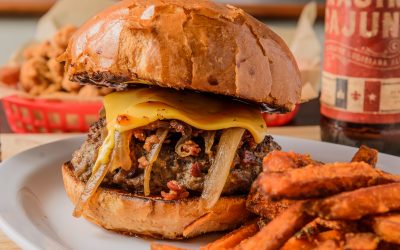
Americans tend to stick their heads in the sands when it comes to the environmental footprint of their food
The reluctance the food of Americans to give up their hamburgers, steaks, meat and sausage is doing terrible harm to the planet. What is shocking is that so many Americans have never heard of the impact that their food consumption has on the planet. Most of them are sadly, quite clueless.
The report “Climate Change and the American Diet” showed that 51{85424e366b324f7465dc80d56c21055464082cc00b76c51558805a981c8fcd63} of those surveyed in the US are willing to eat more plant-based foods but claimed not to have sufficient information about the footprint of their food choices.
Up to 70{85424e366b324f7465dc80d56c21055464082cc00b76c51558805a981c8fcd63} don’t talk about the link between food and climate change with their friends and family, the report showed. At the same time, almost two-thirds said they were never asked to change to a diet with more plant-based foods – with half of those surveyed claiming to have never heard about this topic in the media.
The findings are part of a national survey done in December 2019 to 1.043 American adults, carried out by the Yale Program on Climate Change Communication and Earth Day Network.
“Many American consumers are interested in eating a healthier and climate-friendly diet,” said Anthony Leiserowitz, director of the Yale Program on Climate Change Communication. “However, many simply don’t know yet which products are better or worse — a huge communication opportunity for food producers, distributors and sellers.”
Information wasn’t the only barrier identified by Americans to shift to plant-based diets. As part of the survey costs, taste and accessibility also ranked high. Almost half of those surveyed (49{85424e366b324f7465dc80d56c21055464082cc00b76c51558805a981c8fcd63}) think a mean that has a plant-based main course is more expensive than a meal with meat as the main course.
More than four in ten Americans said they dislike the taste of plant-based foods, with two in tree claiming they would be open to eating them instead of meat if they tasted better. At the same time, 77{85424e366b324f7465dc80d56c21055464082cc00b76c51558805a981c8fcd63} of those surveyed said to ease and speed of preparation is important when choosing to purchase or eat plant-based food.
Changing food production and consumption is critical to reducing the impacts of global warming, but not many made that connection. More than half of those surveyed said meat production only contributed “a little” to global warming. Four in ten Americans think beef doesn’t contribute to global warming at all.
“This data is a wake-up call for the climate movement,” said Jillian Semaan, Food and Environment Director, Earth Day Network. “Animal agriculture is one of the major drivers of our climate crisis, we need to provide people with the relevant information that connects food choices, animal agriculture, and climate change.’
Without drastic changes in the way we eat, use the land and farm, efforts to reduce greenhouse gas emissions and the impacts of climate change will fall short, climate experts have repeatedly warned.
It’s not that you have to completely give up meat (though that can help) — a balanced diet with more plant-based options presents more opportunities to adapt and mitigate climate change. It’s something we should definitely consider, and start talking about more.

Meat Consumption Linked to Chronic Illness
A recent study in the US links meat eating and amino acids to chronic illnesses such as cancer, heart disease and diabetes.
Plant-based diets have been popular in the media recently, but research shows that going vegetarian or vegan isn’t only good for the environment, but for our health, too. Meat-rich diets are linked to a range of health problems, from heart disease and strokes to type two diabetes and some cancers. People who eat diets high in meat have also been found to live shorter lives.
A recent US study has again shown that adults that eat diets high in animal protein are at increased risk of developing a wide range of chronic diseases. The authors recommend a plant-based protein diet to reduce these risks.
Importantly, the study is the first to investigate what effect diets high in sulphur amino acids have on our health. These are found in many foods, but are typically found in high amounts in eggs, fish, red meat and chicken. When consumed at recommended levels, sulphur amino acids play a crucial role in our body. They help our metabolism, protect cells from damage, build proteins, regulate hormones and neurotransmitters, and also help keep our livers healthy.
But eating too many foods high in sulphur amino acids can have many negative health effects. They are linked to a higher risk of heart disease, stroke, diabetes and non-alcohol fatty liver disease. And you’re at an even greater risk if you eat high levels of two particular types of sulphur amino acids, cysteine and methionine, both of which are found in high-protein foods. They are considered the most toxic amino acids, even though our body needs both of them.
Protein and heart health
In general, it is recommended adults only consume 15mg of sulphur amino acids per kilogram of bodyweight a day. But evidence shows most older adults have diets that exceed these recommendations.
The researchers in the US study looked at a large sample size of 11,576 adults over a period of six years. To get the best picture of the effect of sulphur amino acids, the authors excluded anyone who consumed them in low levels, and those who might have reduced their intake of meat or eggs because of health complications. Researchers measured participants’ diets, as well as cholesterol, insulin and blood glucose levels.
It’s worth noting participants were recruited from 1988 to 1994. Dietary patterns and habits have likely changed since then. But the reason researchers looked specifically at this period of time is because the nutrition surveys they took their data from stopped collecting information on sulphur amino acid intake after 1994.
The researchers found the average participant consumed 2.5 times the recommended levels of sulphur amino acids. After controlling for as many variables as they could, such as body weight, race and gender, they found eating a diet high in these amino acids, especially cysteine and methionine, was associated with high cholesterol, insulin resistance and high blood glucose – all of which cause cardiometabolic diseases such as heart attacks, strokes, diabetes and non-alcohol fatty liver disease.
Interestingly, this is true regardless of a person’s overall protein intake. This suggests the health risks might not be solely about protein consumption, but also the amount and proportion of sulphur amino acids a person eats. Because animal products typically contain higher levels of these, the researchers suggest a diet of plant-based proteins may be the best way of keeping sulphur amino acid consumption closer to recommended levels.
The study also showed participants who consumed the lowest levels of sulphur amino acids (15mg-24mg per kilogram a day) had significantly lower levels of cholesterol, glucose and insulin – and lower overall risk of cardiometabolic diseases.
These findings highlight the importance sulphur amino acids have in developing major chronic diseases. It also supports the theory that for good long-term health, sulphur amino acid intake should be close to the minimum requirements – and well below the levels currently consumed by most adults in this study.
This suggests reducing intake of these amino acids may, in part, explain some of the observed health benefits of plant-based diets. So swapping animal-based protein sources for plant-based ones could be a good health move.
Research shows nutrition is a major component of reducing our risks of chronic disease and premature death. Sulphur amino acids are naturally more prevalent in meat than vegetables, so switching to plant-based protein sources like wholegrains, beans, lentils, nuts and seeds, and eating recommended daily intakes of sulphur amino acids, could make it less likely that you will develop heart disease or diabetes in future.
Original Source: https://theconversation.com/

Hollywood Hunk Harrison Ford ditches meat and dairy
Hollywood Hunk Harrison Ford says he is no longer eating meat and dairy. “I know it’s not really good for the planet, and it’s not really good for me.”
Known for his iconic characters Han Solo in the Star Wars movies and intrepid explorer Indiana Jones he said while appearing on the “Ellen DeGeneres Show” this week, Ford told DeGeneres, “I eat vegetables and fish, no dairy, no meat. I just decided I was tired of eating meat and I know it’s not really good for the planet, and it’s not really good for me.”
This isn’t the first time the “Indiana Jones” star has spoken up for the environment. Last February, while speaking at the World Government Summit in Dubai, he said that climate change deniers are “on the wrong side of history.”
Later that year, the “Indiana Jones” star spoke at the United Nations Climate Action Summit in New York. There, he spoke about the importance of rainforest conservation and called on elected officials to take action on climate change.
“We’ve been talking about saving the Amazon for 30 years. We’re still talking about it,” he said. Ford added that the rainforest is “crucial to any climate change solution.”
This is due to its “capacity to sequester carbon, for its biodiversity, for its freshwater, for the air we breathe, for our morality.”
He continued, referencing climate activist Greta Thunberg’s iconic speech: “And it is on fire. When a room in your house is on fire, you don’t say, ‘there is a fire in a room in my house.’”
Ford added, “You say, ‘My house is on fire,’ and we only have one house.”
Movie Stars Embrace Veganism
Although Ford ditched meat and dairy for health and the planet, many actors are embracing veganism for ethical reasons.
Although he hasn’t spoken publicly about his diet, Hollywood heartthrob Ryan Gosling rocked a vegan leather jacket in “Blade Runner 2049.” He has also spoken out against the dehorning practices used on cows by the National Milk Producers Federation.
“There is absolutely no reason—and no excuse—for the cruel, unnecessary practice of dehorning to continue,” Gosling told the HuffPost.
Longtime vegan Joaquin Phoenix also brought widespread attention to the plight of cows in the dairy industry during his Best Actor Oscars speech for his performance in “Joker.”
“We feel entitled to artificially inseminate a cow,” he said. “And when she gives birth, we steal her baby, even though her cries of anguish are unmistakable. Then, we take her milk, that’s intended for her calf, and we put it in our coffee and our cereal.”
Original source: https://www.livekindly.co