Eating a strictly whole-foods, plant-based diet is different from your standard vegan diet. It encourages eating little to no processed food and discourages the use of oil and salt.
The whole-food plant-based diet, often shortened to WFPB, follows the principle that an unprocessed, salt- and oil-free vegan diet is good for your body.
Eating a strictly whole-foods, plant-based diet is pretty different from your standard vegan diet. It encourages eating little to no processed food and discourages the use of oil and salt. This means that vegan meat and cheese, bread, ice cream, cookies, candy, snacks, and frozen meals are not part of the regimen.
But even without vegan frozen pizza, there’s still a lot you can eat on a whole-food plant-based diet—and it doesn’t need to be bland. There are about 200,000 edible plant species in the world, but humans consume only around 200. That’s enough to give you a substantial kitchen arsenal of fruit, vegetables, grains, legumes, herbs, spices, and vinegar to cook with.
Is a whole-foods plant-based diet healthy?
Given the absence of dairy-free boxed macaroni & cheese, French fries, and candy, it’s safe to say that health is most likely the driving factor for anyone’s interest in going whole-foods plant-based. And for good reason.
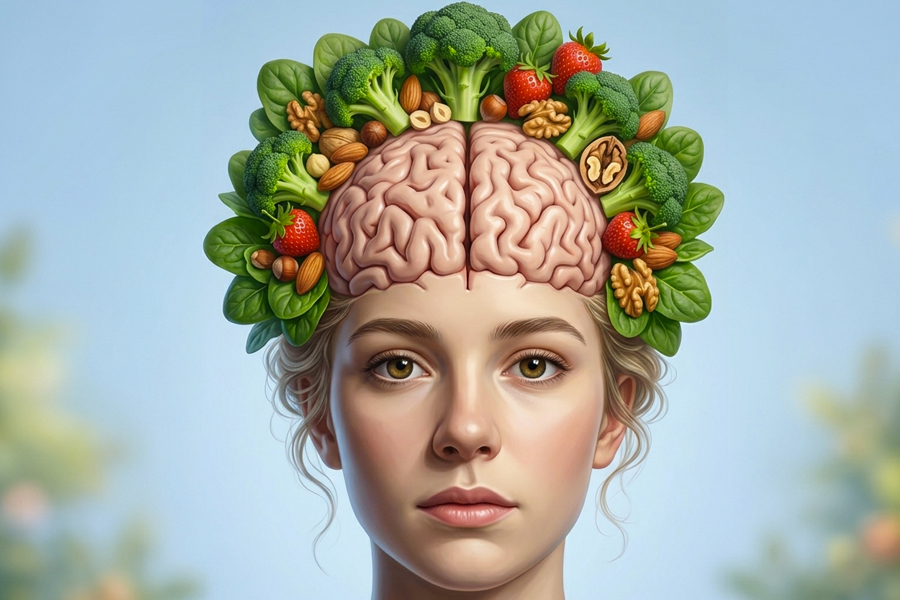
Multiple studies have linked fruit- and vegetable-rich diets to a lower risk of heart disease, Type 2 diabetes, and certain cancers. A whole-foods plant-based diet is also naturally rich in anti-inflammatory foods since it’s free from salt, oil, refined sugar, and white bread, which are all known causes of inflammation.
Should you supplement? Studies show that eating plant-based can come with health benefits, but a vegan diet naturally lacks vitamin B12, which helps make DNA and keeps your blood and nerve cells healthy. For what it’s worth, Michael Greger, MD, WFPB advocate, and the founder of NutritionFacts.org, recommends supplementing this important vitamin. But as always, you should speak to your physician if you’re planning on drastically changing your diet.
What can I eat that’s whole-foods plant-based?
Despite sounding like it comes with a bunch of limitations right off the bat, there are a lot of whole-foods plant-based ingredients at your disposal. So, you don’t need to eat a bunch of salad unless you really want to.
- Condiments: Soy sauce, vinegar, nutritional yeast, mustard, salsa
- Drinks: Coffee, tea, kombucha, sugar-free sparkling drinks
- Fresh or dry chili peppers: Poblano, guajillo, jalapeño, Aleppo, bird’s eye, serrano, Scotch bonnet
- Fresh or dry herbs and spices: Parsley, sage, rosemary, thyme, turmeric, cilantro, gochugaru, basil, ginger
- Fruit and vegetables: Fresh, frozen, fermented, or dried (check for added sugar and oil)
- Legumes: Beans and lentils of all kinds
- Mushrooms: Baby bella, portabello, shiitake, maitake, enoki, wood ear, etc.
- Nuts and seeds: Sunflower seeds, walnuts, cashews, almonds, hazelnuts, etc.
- Nut and seed butters: Homemade or single-ingredient (watch for added sugar and oil)
- Other plant-based proteins: Tofu, tempeh, whole-foods vegan meats (oil-free, free from protein isolates)
- Starchy vegetables: Potatoes, yams, sweet potatoes
- Unprocessed sweeteners: Date syrup, maple syrup, blackstrap molasses (in moderation)
- Unsweetened plant-based milk: Look for milk made without gums or fillers, like Elmhurst 1925 or DIY it
- Vegan cheese: Look for oil-free cheeses made from nuts or seeds
- Whole grains and pseudograins: Brown rice, kamut, farro, oats, quinoa, amaranth, wild rice
- Whole grain bread and tortillas: In moderation
- Whole grain pasta or noodles: Soba, brown rice noodles, sweet potato noodles, and these pastas
What’s not allowed on a whole-foods plant-based diet?
In addition to the list below, keep in mind the most important rules of whole-foods plant-based diets: no oil, no salt, no processed sugar, and no processed grains.
- Dairy products: Milk, yogurt, ice cream, cheese, kefir, and more
- Drinks: Soda and soft drinks, alcohol, processed juice
- Eggs: Make oil-free tofu scrambles and use ground flaxseed for baking
- Meat and fish: But you probably knew that already
- Oil: Sauté with vegetable broth instead
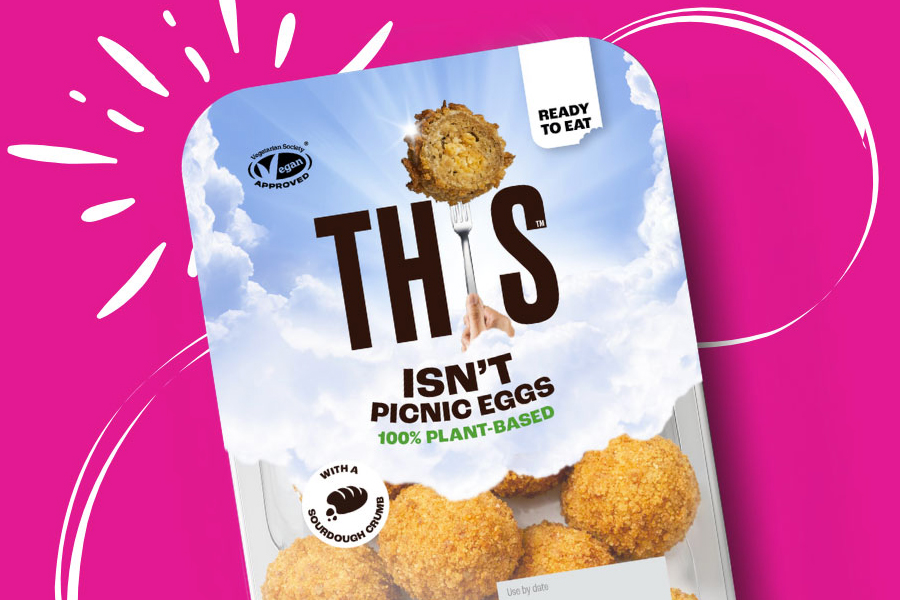
- Packaged foods: Most ready-made meals, chips, puffs, candies, and cereals are not whole-foods plant-based due to the addition of oil, salt, and sugar
- Processed sugar and sweeteners: White sugar, brown sugar, pancake syrup
- Processed vegan meats and cheeses: Oil and salt are out
- Salt: Salt of any kind is not really encouraged
- Vegan ice cream: With few exceptions, dairy-free ice cream contains oil and processed sugar
- White grains, pasta, tortillas, and bread: This includes rice, too
Original source: https://vegnews.com
https://www.animalagricultureclimatechange.org/plant-based-live-longer/