
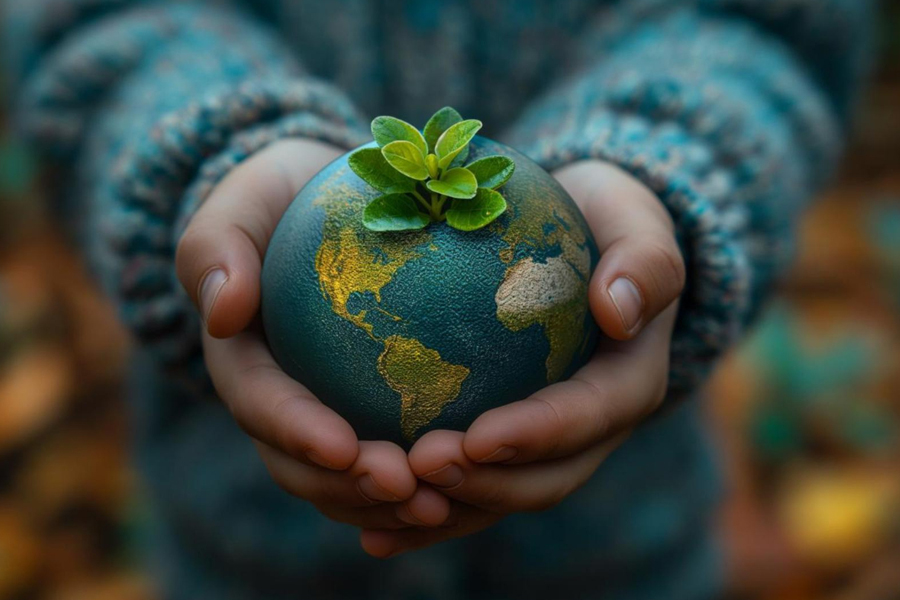
Earth Day is an annual event on 22 April that aims to raise environmental awareness and inspire people to take action for nature.
Common ways to celebrate Earth Day include beach or park cleanups, volunteer tree planting events, demonstrations, and spending time in nature.
When is Earth Day?
Earth Day is celebrated every year on April 22 in over 192 countries around the world. In the United States and many other countries, the entire month of April is recognized as Earth Month, providing an extended opportunity to take action for the environment beyond a single day.
When was the first Earth Day?
The first Earth Day was held on April 22, 1970 in the United States. It was founded by Senator Gaylord Nelson after he witnessed the devastation of a massive oil spill in Santa Barbara, California in 1969, and was inspired by the energy of the student anti-war movement to create a national day of action for the environment.
What is the brief history of Earth Day?
More than 50 years ago, an impressive 20 million Americans, approximately 10% of the population at the time, took to the streets, parks and auditoriums to protest alarming environmental issues. These protests focused on the impacts of 150 years of industrial development, including oil spills, toxic drinking water, air pollution, and the effects of pesticides. Earth Day is credited with sparking the modern environmental movement and inspiring landmark legislation in the United States, including the Clean Air Act, the Clean Water Act, and the Endangered Species Act.
By 1990, Earth Day had grown into an international event, mobilizing 200 million people in 141 nations around the world. On the 2016 Earth Day, the historic Paris Climate Agreement was signed. On the 2020 Earth Day, which marked the event’s 50th anniversary, it’s estimated that over 1 billion people participated in Earth Day actions, and 100 million observed the anniversary—making it the largest online mass mobilization in history.
Celebrate Earth Day by going plant-based!
Adopting a plant-based diet for Earth Day, and beyond, is one of the most effective ways to reduce your environmental footprint, save water, and fight climate change. By shifting to meals based on vegetables, grains, and beans, you can reduce food-related greenhouse gas emissions by up to 70%.
Why eating vegan is the best way to celebrate Earth Day
What are the best Earth Day activities for kids?
Great Earth Day activities for kids include growing and planting a native tree from seed, joining a local park cleanup or invasive species pull, and creating upcycled art from materials that would otherwise be thrown away. In the classroom, teachers can divide students into “green teams” each responsible for an environmental action like composting or recycling, or organize a pledge wall where every student commits to one thing they’ll do for the planet that month. A classroom forest fundraiser is another hands-on option.
How can I celebrate Earth Day at work?
There are many ways to celebrate Earth Day at work, whether your team is in-office or remote. Popular options include organizing a volunteer event such as a tree planting or park cleanup, launching a virtual fundraising drive for an environmental nonprofit, hosting a Meatless Monday challenge, or booking an environmental expert for a lunch-and-learn session. For longer-term impact, Earth Month is a great time to form a corporate green team, conduct an office energy audit, or launch a waste reduction initiative. Remote teams can participate through virtual fundraising pages, shared photo challenges, or giving employees a few hours off to get outside on Earth Day.
What can I do to celebrate Earth Month?
- Embrace a plant-based diet. Switching to plant-based diets helps reverse nature loss, halt deforestation, and reduce water use and pollution.
- Support reforestation to restore forests, improve biodiversity, and mitigate climate change during Earth Month.
- Volunteer in your community by joining cleanups or conservation projects to make a tangible local environmental impact.
- Reduce your environmental footprint through everyday actions like conserving energy and water, cutting down on waste, and choosing sustainable products.
- Spend time in nature and learn about local ecosystems to deepen your connection to the environment.
- Engage others in climate action by organizing events, sharing resources, or encouraging workplace and school sustainability initiatives.
Original source: https://onetreeplanted.org
https://www.animalagricultureclimatechange.org/fun-earth-month-day/