GLP-1 drugs like Ozempic are changing eating habits, reducing processed food intake and potentially lowering demand for meat products.
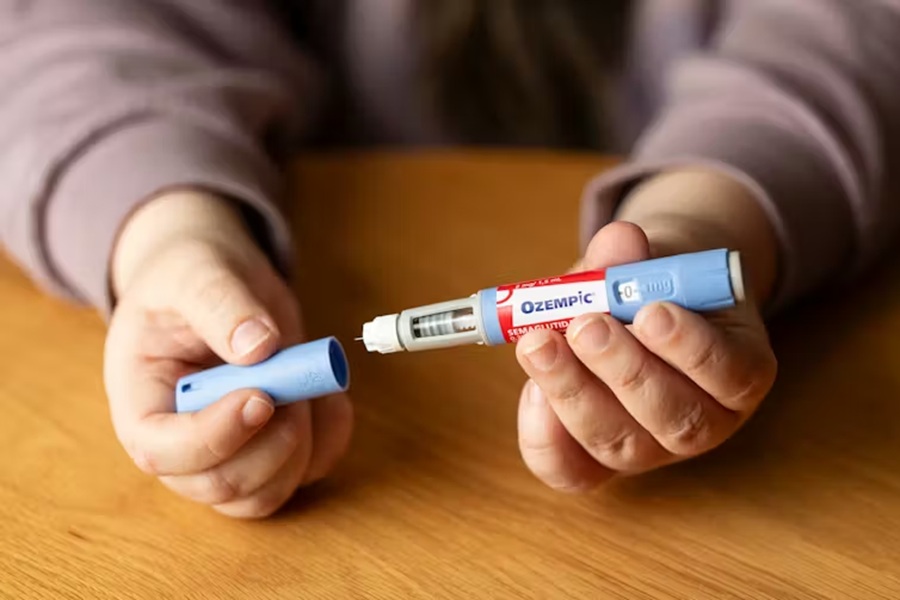
It’s hard to believe that it’s only been five years since semaglutide was granted FDA approval as a weight-loss treatment. Since then, GLP-1 medications like Ozempic and Wegovy have skyrocketed in use. By November 2025, around one in eight American adults reported having taken a GLP-1 drug.
Of course, this has had a major impact on the food industry. These drugs affect appetite, but they also increase demand for nutrient-dense products. Grocery stores and brands have responded to the surge in use by launching products specifically aimed at GLP-1 users. Major corporations like Nestlé and Conagra, for example, have both introduced products targeting this growing consumer group.
Some in the food industry, though, are wary of the GLP-1 boom. Meat producers, in particular, are paying close attention to what it could mean for long-term demand.
Could Ozempic change the way we consume meat?
The Agriculture and Horticulture Development Board (AHDB), a British levy board representing farmers and growers across the country, has warned that eating patterns are shifting as GLP-1 use rises.
It’s not necessarily that people are giving up meat, but that they are prioritizing smaller portions and higher-quality products. Processed meats, AHDB notes, could fall out of favor as more consumers opt for nutrient-dense whole foods.
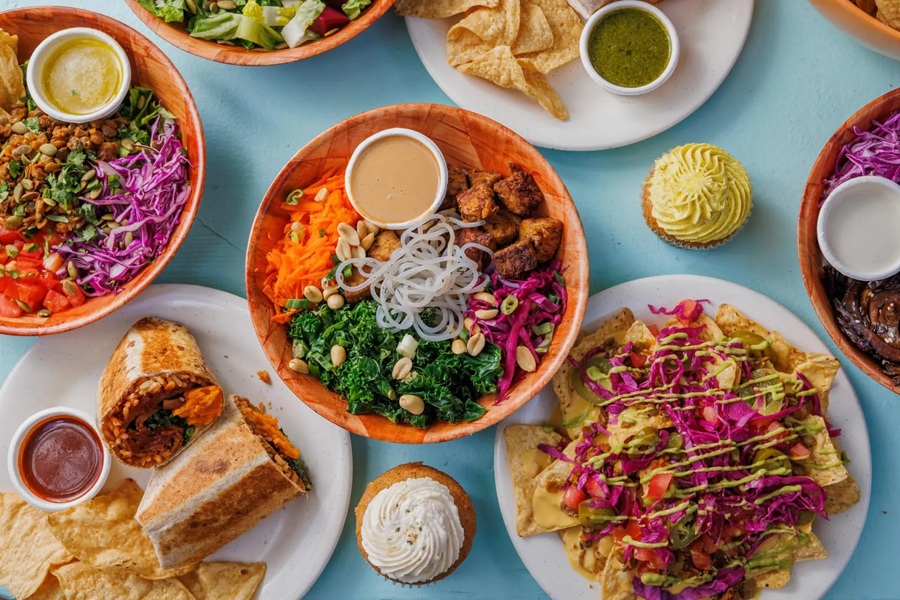
This thinking is in line with previous research. Earlier this year, a survey of nearly 2,000 people from the University of Arkansas’s System Division of Agriculture found that almost half of current and former GLP-1 users were eating less beef or pork. Around 70 percent said they were consuming fewer processed foods, while many reported increasing their intake of plant-based whole foods like fruits and leafy greens.
Interestingly, some researchers and analysts suggest this shift could have unexpected environmental implications. When Reset Media examined the issue earlier this year, it estimated that reduced consumption of processed foods and high volumes of meat and dairy among 4.3 million GLP-1 users could save around 2 million tonnes of CO₂ equivalent annually. As uptake grows, so does the potential impact.
Of course, it is still early days, and the long-term effects of GLP-1 drugs on dietary habits remain unclear. “A rigorous lifecycle analysis of GLP-1 medications as an environmental intervention has not been conducted,” Reset Media reports. “It would be a worthwhile exercise.”
But one thing is clear: the way we eat is changing, and that shift is already having ripple effects across the food system. The scale of it is yet to be seen.
Original source: https://vegnews.com
https://www.animalagricultureclimatechange.org/uk-eating-less-meat/